You love the warmth of farmhouse style—but your space just feels… staged. Sterile. Like every Pinterest board merged into one awkward room. And that’s the trap: mistaking replication for authenticity. Real farmhouse design isn’t about buying matching shiplap signs—it’s about layering history, texture, and function. Here’s how to decorate farmhouse style that actually feels lived-in.
Why Most Farmhouse Makeovers Fail (Hint: It’s Not the Budget)
People treat farmhouse style like a paint-by-numbers kit. White walls? Check. Galvanized buckets? Double check. But they skip the soul. The original farmhouses weren’t curated—they evolved. Weathered. Repaired with whatever was at hand. Modern attempts often feel hollow because they’re built on newness masquerading as vintage. You can’t fake 80 years of patina with a $39 “distressed” nightstand from a big-box store.
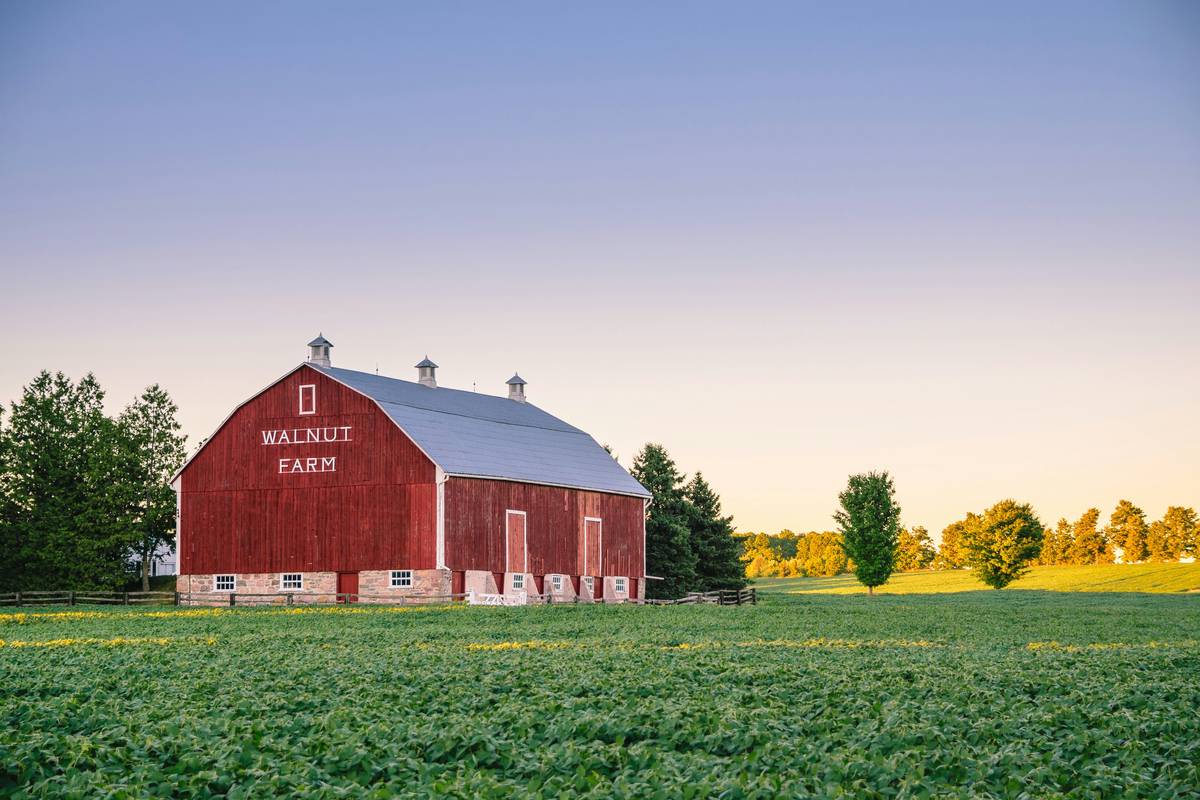
And worse—they ignore regional nuance. A Pennsylvania Dutch farmhouse leans rustic but tidy; a Texas homestead embraces rugged utility. Slapping generic “farmhouse decor” everywhere ignores that diversity.
How to Decorate Farmhouse Style: A Step-by-Step Framework
Forget shopping first. Begin by auditing what you already own—especially pieces with honest wear. That chipped enamel pitcher? Keep it. Your grandma’s oak table with water rings? That’s gold.
Start With Walls That Breathe
Ditch pure white. Try bone, oatmeal, or warm greige—colors pulled from natural plaster or limewash. These absorb light softly, mimicking old farmhouses where walls were rarely pristine. Add subtle texture: skim-coat trowel marks or hand-troweled clay plaster. It costs more upfront—but avoids the “IKEA showroom” effect.
Furniture: Function Over Faux Finish
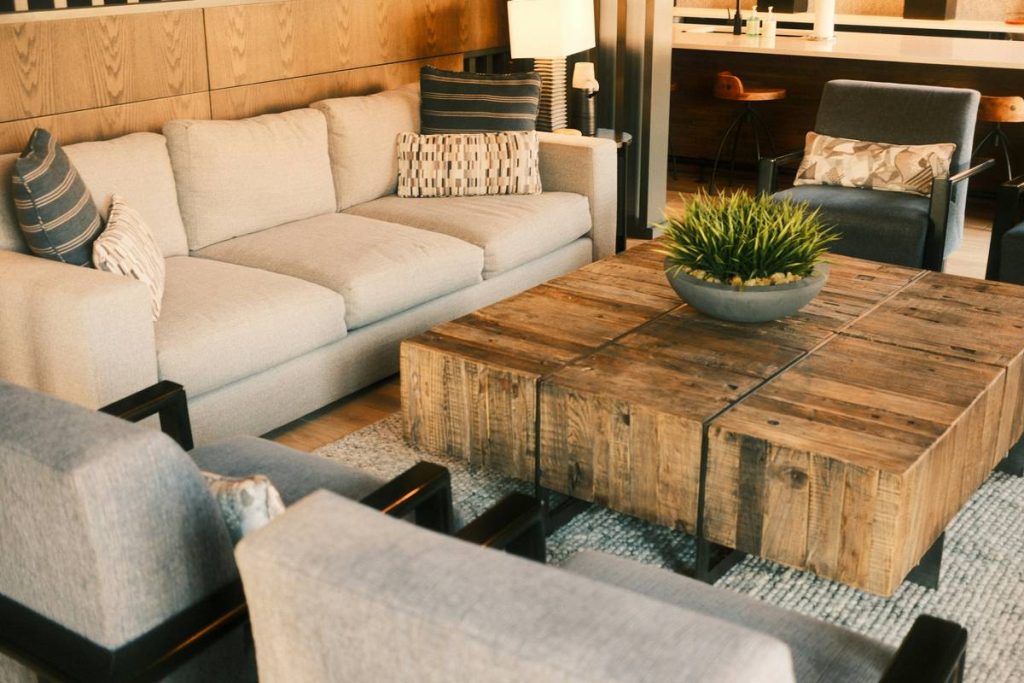
Real farmhouse furniture was built to last, not to Instagram. Prioritize solid wood pieces with visible joinery—dovetails, mortise-and-tenon—not MDF wrapped in vinyl grain. Look for asymmetry: slightly uneven legs, hand-planed surfaces. Imperfections signal authenticity.

Textiles That Tell a Story
Layer with purpose. Think grain sacks repurposed as curtains, quilts stitched from feed sacks, or linen towels sun-bleached over decades. Avoid synthetic blends—they lack the tactile honesty of cotton, wool, or hemp. And never buy “vintage-looking” pillows. Find real ones at estate sales or flea markets.
| Element | Budget-Friendly Approach | Authentic Investment |
|---|---|---|
| Floors | Painted plywood with matte sealant | Reclaimed wide-plank pine, site-finished with tung oil |
| Lighting | Vintage-style Edison bulbs in simple black cords | Original barn lanterns rewired by an electrician |
| Storage | Open shelving from sanded pallet wood | Schoolhouse lockers or salvaged apothecary cabinets |
Accessories: Less Is More (Seriously)
One well-chosen antique milk can beats ten mass-produced “farmhouse” trays. Rotate items seasonally—a basket of gourds in fall, bundles of dried lavender in summer. Let surfaces breathe. Clutter kills the calm.

The Industry Secret: Borrow From Working Farms, Not Showrooms
Here’s what top stylists won’t tell you: drive through rural counties—not design districts. Visit active farms. Notice how tools hang near sinks, how feed bins double as planters, how laundry lines stretch across backyards. That’s functional beauty. I once helped a client transform her mudroom using a retired horse harness hung as wall art—and a trough sink sourced from a dairy auction. Cost? Under $200. Impact? Unmistakably real.
The math is simple: if it served a purpose on a working farm 70 years ago, it belongs in your farmhouse decor today. If it only exists to say “look at me,” skip it.
Frequently Asked Questions
Can I mix modern elements with farmhouse style?
Yes—but sparingly. A sleek floor lamp or minimalist art can anchor the rustic chaos, but keep tech hidden. No smart speakers on open shelves.
Is shiplap necessary for farmhouse interiors?
No. Shiplap became popular decades after most farmhouses were built. Original walls were often plaster, beadboard, or bare studs. Skip the trend if it feels forced.
How do I avoid the “white box” farmhouse look?
Introduce warmth through wood tones, layered rugs, and earthy ceramics. Limit white to 60% of your palette—then add black iron, olive green, or burnt sienna accents.