Your thrifted dresser looks tired. The finish is chipped, the color dated, and no matter how you style it, it screams “last decade”—not rustic charm. You’ve tried a quick coat of white paint before. It peeled within months. Chalk paint? Too flat. Latex? Too glossy. You’re stuck between sterile modern and chaotic shabby chic. Here’s the fix: how to paint furniture farmhouse style the right way—durable, textured, and authentically worn-in without looking sloppy.
Why Most DIYers Fail at Farmhouse Furniture Painting
They treat it like regular painting. Big mistake.
Farmhouse style isn’t about coverage—it’s about character. Slapping on one uniform layer kills the soul of the piece. And using interior wall paint? It chips faster than cheap nail polish. Wood breathes. Humidity shifts. Temperature swings. Your finish must flex—not flake.
Most tutorials skip surface prep or push “easy” shortcuts that backfire weeks later. Worse—they ignore grain direction, wood species, and the psychological weight of texture. A smooth finish reads “IKEA,” not “heirloom.”
How to Paint Furniture Farmhouse Style: The Real Step-by-Step Method
This isn’t just paint + brush. It’s material science meets nostalgia.
Step 1: Strip or Scuff—Know When to Go Bare
If your piece has lead paint (pre-1978) or heavy varnish, strip it fully with eco-friendly stripper. For most post-80s furniture? Light sanding (120 grit) is enough—just enough tooth for adhesion. Never skip this. Paint sticks to roughness, not slickness.
Step 2: Choose the Right Paint System
Forget chalk paint alone. It’s porous and needs constant sealing. Instead, use milk paint for raw authenticity or oil-based enamel for durability with depth. Both age beautifully.
Step 3: Apply with Intention—Not Perfection
Brush marks are welcome. Use a natural bristle brush. Work *with* the grain—but don’t obsess over smoothness. Two thin coats beat one thick glob every time. Let dry 24 hours between coats.
Step 4: Distress Strategically
Sand edges, corners, and handles—places hands naturally wear. Focus on high-contact zones. Use 220 grit for subtle aging, not 80 grit for destruction. Less is more.
Step 5: Seal Smartly
Use hemp oil for low-traffic pieces (nightstands, shelves). For dining tables or dressers? Go with satin polyurethane in matte finish—brushed on, not sprayed. It won’t yellow like old-school oils.
| Paint Type | Durability | Authenticity | Cost (per quart) | Best For |
|---|---|---|---|---|
| Milk Paint | Medium (requires topcoat) | ★★★★★ | $28–$36 | Bedroom sets, decorative pieces |
| Oil-Based Enamel | ★★★★★ | ★★★★☆ | $22–$30 | Kitchen tables, high-use furniture |
| Chalk-Style Paint | Low (without wax/sealer) | ★★★☆☆ | $32–$42 | Temporary updates, rental units |
| Latex (Wall Paint) | Poor (peels easily) | ★☆☆☆☆ | $15–$25 | Avoid for farmhouse finishes |

The Industry Secret: Layering Color Beneath White
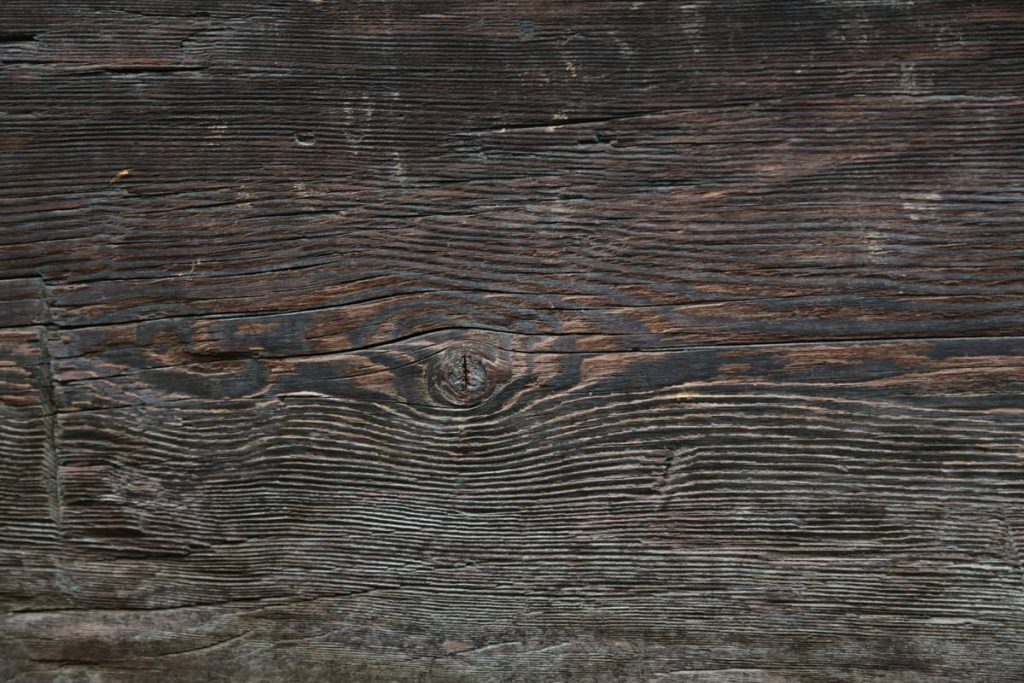
True farmhouse pieces weren’t originally white. They were pine, walnut, or oak—stained or oiled. When they aged, sun and soap wore them down to raw wood in spots.
So don’t start with white. First, apply a thin wash of raw umber or burnt sienna diluted in water or mineral spirits. Let it soak into grain. Wipe off excess. Then—only then—apply your white. When you distress later, you’ll reveal warm undertones, not bare gray primer. This trick fools even seasoned antique dealers. And it costs $2 extra.
Another pro move: mix 10% dark glaze into your topcoat. It settles into crevices, adding shadow and age instantly.
Frequently Asked Questions
Can I paint over laminate farmhouse style?
Yes—but only with proper prep. Sand aggressively (80 grit), then use a bonding primer like Zinsser Cover Stain. Milk paint won’t stick; use oil-based enamel instead.
How long does farmhouse-painted furniture last?
5–10 years with proper sealing. Milk paint + hemp oil lasts ~5 years indoors. Oil enamel + matte polyurethane easily hits a decade.
Do I need special brushes?
Yes. Natural bristle (china bristle) for oil-based paints. Synthetic for milk paint. Avoid foam brushes—they leave zero texture, killing the farmhouse vibe.