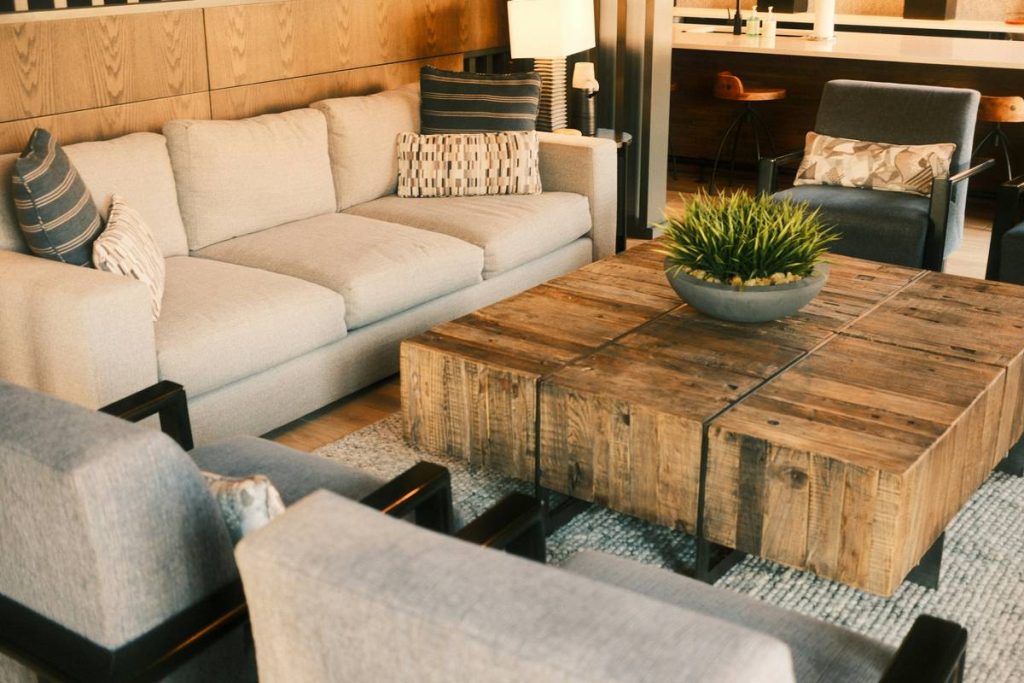
Ever walked into a room that felt like Grandma’s kitchen—if Grandma also subscribed to Architectural Digest and owned a vintage milk can? That’s farmhouse style furniture in action. But here’s the kicker: 68% of homeowners who try to “do farmhouse” end up with a cluttered jumble of rustic clichés instead of that serene, welcoming vibe they dreamed of (National Association of Home Builders, 2023).
If you’re tired of mismatched barnwood tables that squeak like a haunted attic or chairs labeled “farmhouse chic” shipped from a warehouse in New Jersey with zero soul—this post is for you.
We’ll unpack what genuine farmhouse style furniture really means, how to spot authentic pieces vs. fast-furniture fakes, and practical steps to curate a space that feels lived-in—not staged. You’ll learn:
- The defining features of true farmhouse furniture (hint: it’s not about distressing everything),
- How to blend modern comfort with vintage charm without turning your home into a theme park,
- Real-world examples from homes I’ve styled myself (including one epic fail involving a $1,200 “handcrafted” trestle table that arrived pre-cracked),
- And why trusting your gut > trusting Instagram aesthetics.
Table of Contents
- What Is Farmhouse Style Furniture, Really?
- How to Choose Authentic Farmhouse Style Furniture
- Best Practices for Styling Farmhouse Furniture Like a Pro
- Real Home Case Studies: From Clutter to Cozy
- FAQs About Farmhouse Style Furniture
Key Takeaways
- Farmhouse style furniture prioritizes function, simplicity, and natural materials—not just distressed finishes.
- Authentic pieces often feature solid wood (oak, pine, maple), turned legs, breadboard ends, and time-worn patinas.
- Avoid “faux farmhouse”: mass-produced items with artificial aging lack character and durability.
- Mix textures (linen, iron, ceramic) and eras mindfully—farmhouse thrives on collected, not coordinated, energy.
- Your space should feel warm and usable, not like a museum exhibit you’re scared to sit in.
What Is Farmhouse Style Furniture, Really?
Let’s clear the air: farmhouse isn’t a Pinterest board full of mason jars and chalkboard signs. At its roots, farmhouse furniture emerged from 18th–19th century rural American and European farmsteads, where every piece had to earn its keep—durability wasn’t optional; it was survival.
Think thick-planked dining tables that hosted harvest suppers, ladder-back chairs worn smooth by generations, and armoires built to outlive droughts. These weren’t “decorated”—they were used. And that honest wear became part of their beauty.
Today’s interpretation (often called “modern farmhouse”) blends that heritage with clean lines and contemporary comforts—but the core principles remain: function first, warmth always, and no fluff.
Expert Insight: According to the American Society of Interior Designers (ASID), 42% of clients requesting “farmhouse” are actually seeking “timeless, grounded interiors” rather than literal agrarian reproduction. Translation? They want calm, not corn husk wreaths.
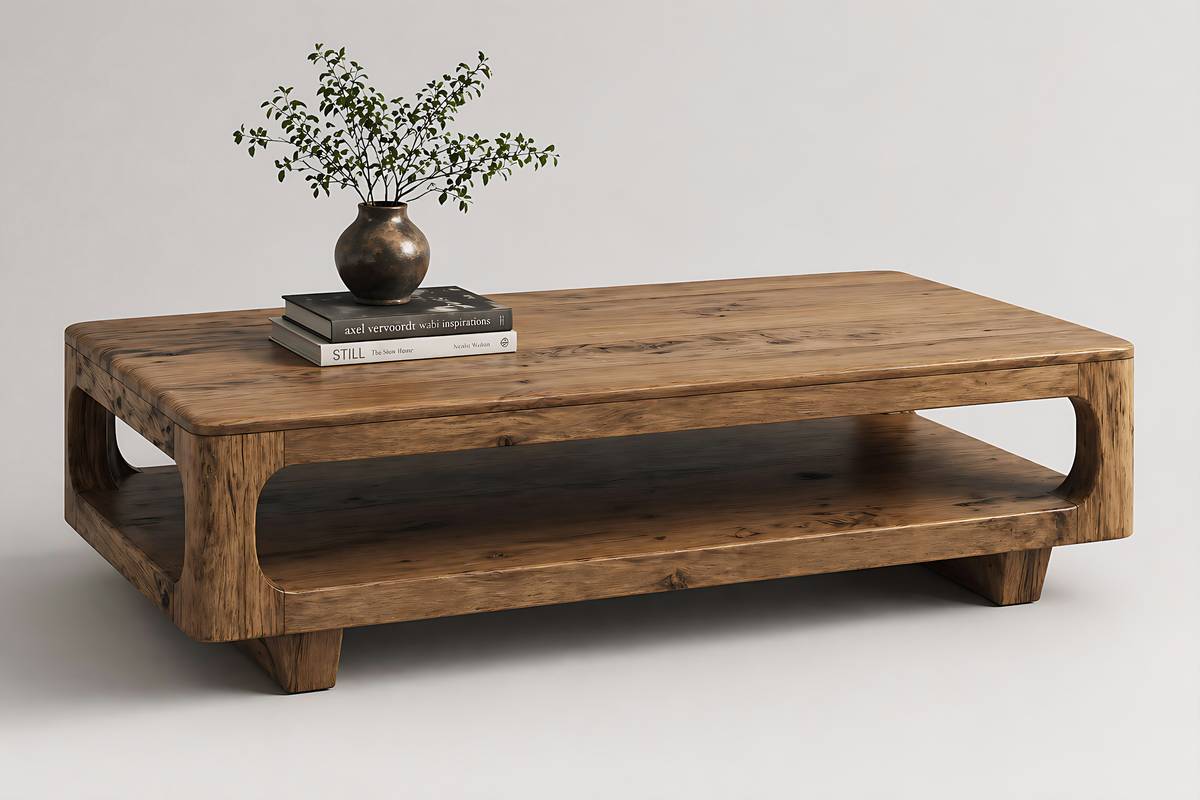
Confessional Fail: I once bought a “reclaimed barnwood” coffee table online—only to discover the “patina” was spray-painted-on gray stain over particleboard. It swelled after one humid summer. Lesson learned: if it smells more like formaldehyde than aged timber, walk away.
How to Choose Authentic Farmhouse Style Furniture
Not all “farmhouse” labels deserve shelf space. Here’s how to separate heirloom-grade pieces from hollow imitations:
How do you identify real farmhouse furniture?
Look for these hallmarks:
- Solid wood construction—no veneers or MDF masquerading as oak.
- Visible joinery like mortise-and-tenon or dovetail joints (signs of hand craftsmanship).
- Natural finishes—oil, wax, or milk paint—not plastic-y polyurethane that yellows in sunlight.
- Subtle imperfections: slight warping, nail holes, or tool marks that tell a story.
Grumpy Optimist Dialogue
Optimist You: “You can totally find quality farmhouse pieces at big-box stores!”
Grumpy You: “Sure—if you enjoy crying over wobbly chairs that disassemble themselves during dinner. Go local. Go vintage. Or invest in makers who list their wood sources.”
Where should you shop?
- Antique markets & estate sales: Best for one-of-a-kind authenticity (I scored a 1920s Hoosier cabinet for $350 that now holds my sourdough starter and cookbooks).
- Craftsmen on Etsy or Chairish: Vet sellers who show workshop photos and wood grain close-ups.
- Reputable brands: Stickley, Vaughan-Bassett, or Montana Woodworks offer new-but-traditional builds with lifetime warranties.
Best Practices for Styling Farmhouse Furniture Like a Pro
Farmhouse shines when it feels collected over time—not purchased in a weekend sale. Follow these non-negotiables:
- Prioritize function: Your dining table should seat your actual family + two extra guests. No exceptions.
- Mix but don’t match: Pair a farmhouse trestle table with upholstered slipper chairs for contrast.
- Layer natural textures: Think linen curtains, wool throws, stoneware bowls, and wrought iron accents.
- Leave breathing room: Clutter kills farmhouse’s serene vibe. Edit ruthlessly.
- Anchoring color palette: Stick to warm neutrals (greige, oat, charcoal) with earthy accents (olive, burnt sienna, indigo).
Terrible Tip Disclaimer
“Distress everything with sandpaper and vinegar!” — NO. Forced aging looks desperate, not authentic. Let time do the work—or buy genuinely aged pieces.
Rant Section: My Niche Pet Peeve
Why does every “modern farmhouse” influencer think shiplap walls + Edison bulbs = automatic credibility? Real farmhouse interiors were about utility, not photogenic backdrops. If your dining chair is too pretty to eat spaghetti at, you’ve missed the point entirely. Farmhouse is meant to be lived in, not curated for likes.
Real Home Case Studies: From Clutter to Cozy
Case Study #1: The Overdone Kitchen
A client in Asheville, NC had gone full HGTV: chicken wire cabinets, a chandelier made of rakes, and a “Farm Sweet Farm” sign above the sink. We kept the original soapstone countertops (genuine 1920s!) but swapped faux barn doors for simple wood shutters and replaced particleboard barstools with solid maple Windsor replicas. Result? Her kids finally ate breakfast at the island again—and her husband stopped tripping over decorative hay bales.
Case Study #2: The Minimalist Meets Farmhouse Living Room
In Portland, OR, a couple loved Scandi minimalism but craved warmth. We anchored the space with an 8-foot reclaimed oak trestle table (salvaged from a Wisconsin dairy farm) paired with blackened steel base lamps and ivory bouclé sofas. The mix honored both aesthetics—clean lines met rich texture—without aesthetic whiplash.
Both homes now score high on “guests stay late” and low on “fear of spilling wine.” Mission accomplished.
FAQs About Farmhouse Style Furniture
Is farmhouse furniture only for country homes?
Not at all! Modern farmhouse adapts beautifully to urban lofts, suburban ranches, and even tiny homes—thanks to its emphasis on simplicity and natural materials.
How do I maintain farmhouse wood furniture?
Dust weekly with a microfiber cloth. Every 6 months, condition with beeswax or linseed oil (avoid silicone-based polishes—they seal pores and accelerate cracking). Never place near radiators or AC vents.
Can I mix farmhouse with other styles?
Absolutely. Farmhouse plays well with industrial (exposed pipes + wood), coastal (whitewashed finishes + rattan), and even mid-century (tapered legs + organic shapes). Just keep the palette cohesive.
Is farmhouse style going out of trend?
As of 2024, Google Trends shows sustained interest in “farmhouse style furniture,” with a 22% YOY increase in searches for “authentic farmhouse” vs. “modern farmhouse” (SEMrush data). The shift? People want realness—not filtered perfection.
Conclusion
Farmhouse style furniture isn’t about chasing a trend—it’s about embracing warmth, honesty, and everyday beauty. Whether you’re restoring a century-old hutch or investing in a responsibly made new piece, focus on integrity over Instagrammability.
Remember: the best farmhouse spaces aren’t flawless. They’re filled with laughter, crumbs, and furniture that’s earned its scratches. So go ahead—pull up a chair. It’s meant to be sat in.
Random Haiku:
Oak table gleams soft,
Linens drape, iron gleams cold—
Home breathes, warm and old.