Most farmhouse style furniture ideas look stunning online—but flop hard in actual living rooms. Too many reclaimed-wood clichés, mismatched finishes, and impractical “rustic chic” pieces that feel staged, not lived-in. The result? A space that reads more costume than comfort. Here’s how to get authentic farmhouse style furniture ideas right—without turning your home into a Pinterest prop closet.
Why Most Farmhouse Furniture Looks Forced (Not Found)
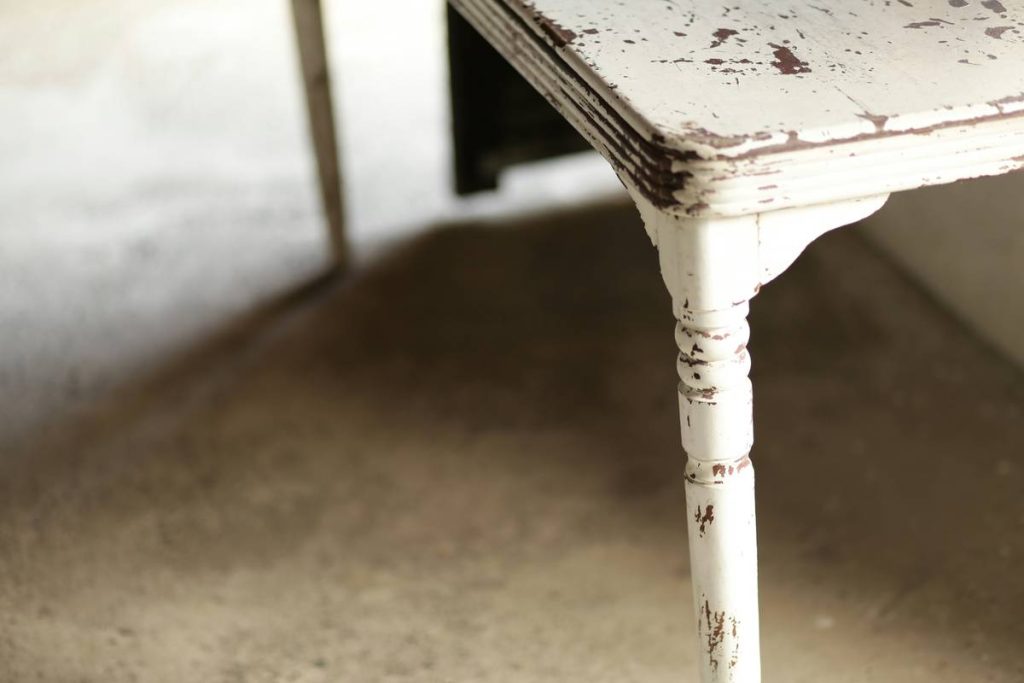
It’s not the aesthetic—it’s the execution. Mass-market retailers slap “farmhouse” on anything with distressed paint or turned legs. But real farmhouse style furniture ideas stem from function first, form second. Old farmhouses didn’t buy decor—they built what they needed from what they had. Today’s versions often ignore scale, context, and daily wear. You end up with chunky benches blocking walkways or a “vintage” hutch that clashes with your 9-foot ceilings. And don’t get me started on those fake barn doors on cabinets—nobody actually stored grain there.
Farmhouse Style Furniture Ideas: A Practical Blueprint
Forget cookie-cutter checklists. Build your look around three anchors: proportion, patina, and purpose. Then layer in texture—not just wood.
Start With Structure, Not Accents
Your dining table dictates everything else. Go for solid hardwood—oak, maple, or pine—with subtle saw marks or live edges, not cartoonish distressing. Keep proportions grounded: a 72-inch table fits most homes without crowding. Pair it with ladder-back or Windsor chairs—not all matching. Mix two styles for human imperfection.
Storage That Doesn’t Shout
A true farmhouse cupboard hides clutter but looks humble doing it. Skip glass-front cabinets unless you’re storing heirloom china daily. Instead, opt for paneled doors with iron latches or simple bin pulls. Paint it in milk paint or limewash—not chalk paint (it chips like crazy under real use).
Texture Over Trend
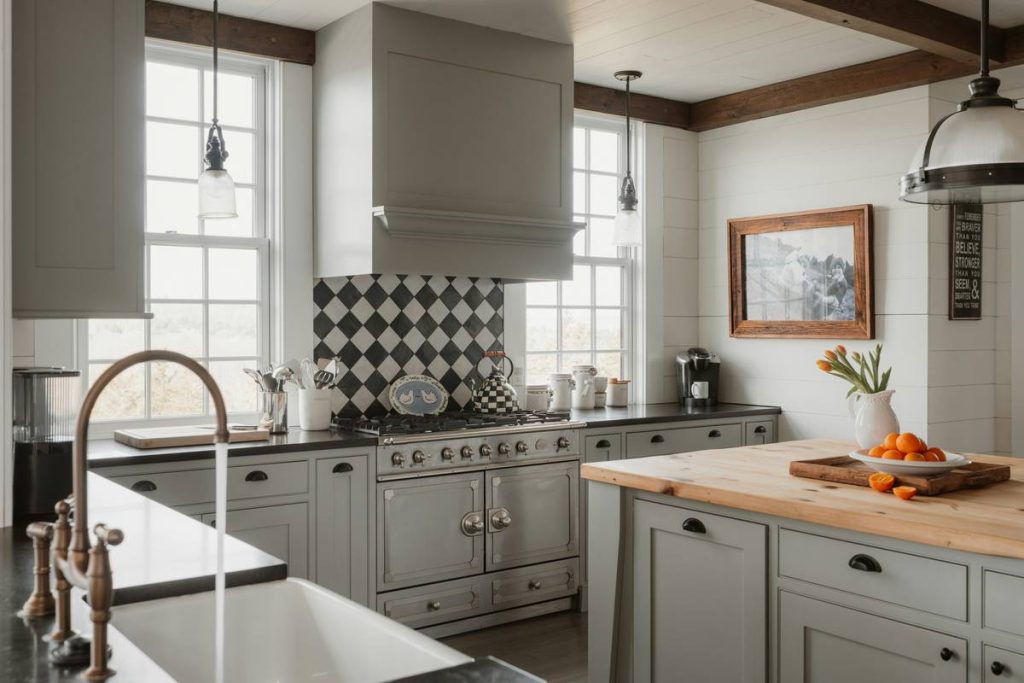
Real farmhouse interiors lean on layered neutrals: unbleached linen, boiled wool throws, woven rush seats. Add black iron hardware—not bronze or gold. And always leave at least one surface raw: an unfinished butcher block island, for example, ages beautifully with tomato stains and knife nicks.

| Material Choice | Authentic Appeal | Long-Term Wear | Budget Range |
|---|---|---|---|
| Solid Pine (with natural finish) | High—traditional, warm grain | Scratches easily but ages gracefully | $800–$2,200 |
| Reclaimed Barn Wood | Very high—if sourced responsibly | Durable, but inconsistent stability | $1,500–$4,000+ |
| MDF with Distressed Paint | Low—looks flat under lighting | Poor; chips and swells with humidity | $300–$900 |
| Oak with Linseed Oil Finish | High—classic, develops rich patina | Excellent with re-oiling every 18 months | $1,000–$2,800 |

The Industry Secret: Farmhouse Isn’t About Age—It’s About Attitude
Here’s what no catalog tells you: you can build new pieces that feel old if you respect restraint. I worked with a client last year who wanted “farmhouse” in her Brooklyn brownstone. We designed a dining set using fresh white oak—but left the joinery exposed, used hand-forged nails, and applied a single coat of raw linseed oil. No sanding back, no artificial wormholes. Six months later, coffee rings and dog scratches gave it character no factory could fake. The math is simple: authenticity grows from use, not from faux aging kits. Stop hunting for “vintage.” Start choosing pieces built to be used hard, loved long, and passed down—not posted and deleted.
Frequently Asked Questions
Is farmhouse style furniture still in trend?
Yes—but evolved. Today’s farmhouse style furniture ideas prioritize clean lines and mixed materials over heavy distressing. Think less TV-show set, more functional heritage.
Can I mix modern and farmhouse furniture?
Absolutely. Pair a sleek sofa with a trestle farmhouse coffee table. Keep color palettes neutral and woods consistent in tone to avoid visual chaos.
What wood is best for farmhouse furniture?
Oak, maple, and pine lead the pack. They’re durable, affordable, and develop a natural patina. Avoid engineered woods—they lack the soul and longevity.