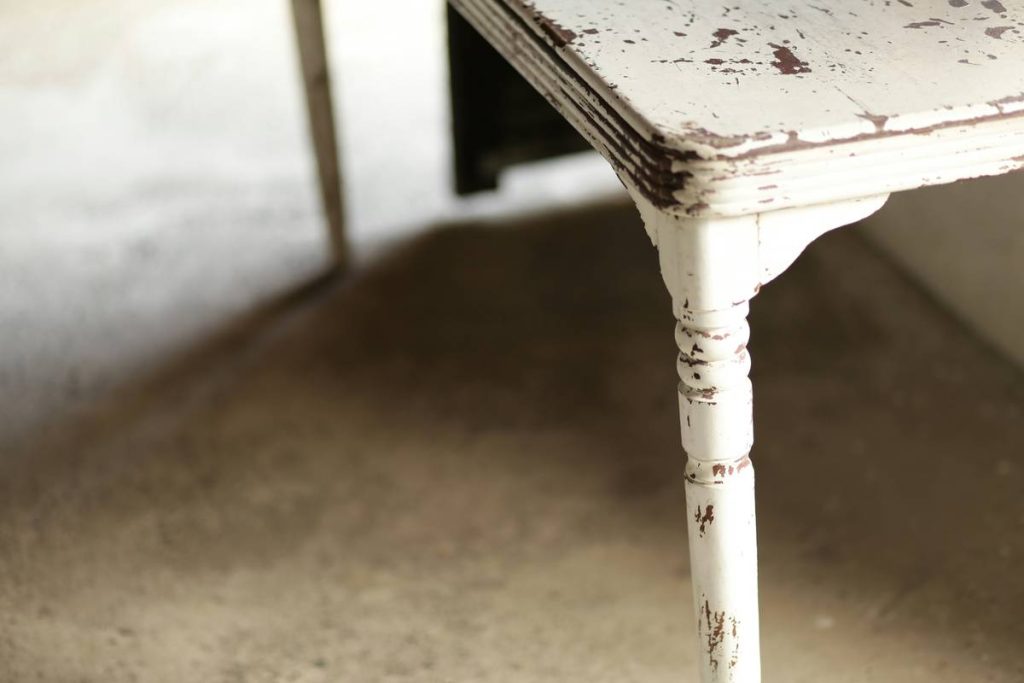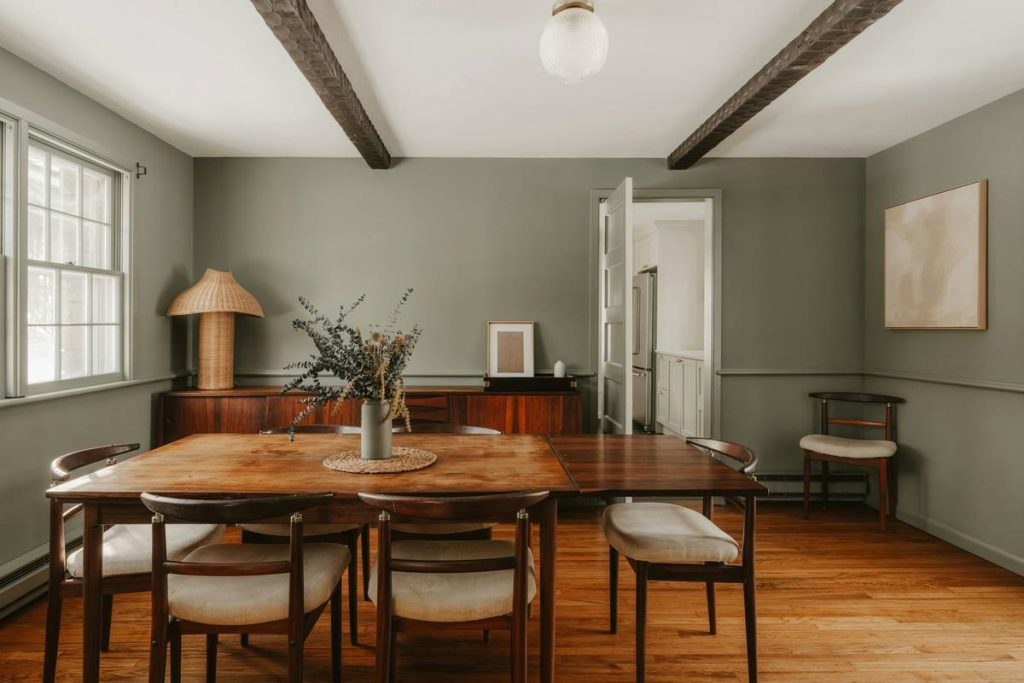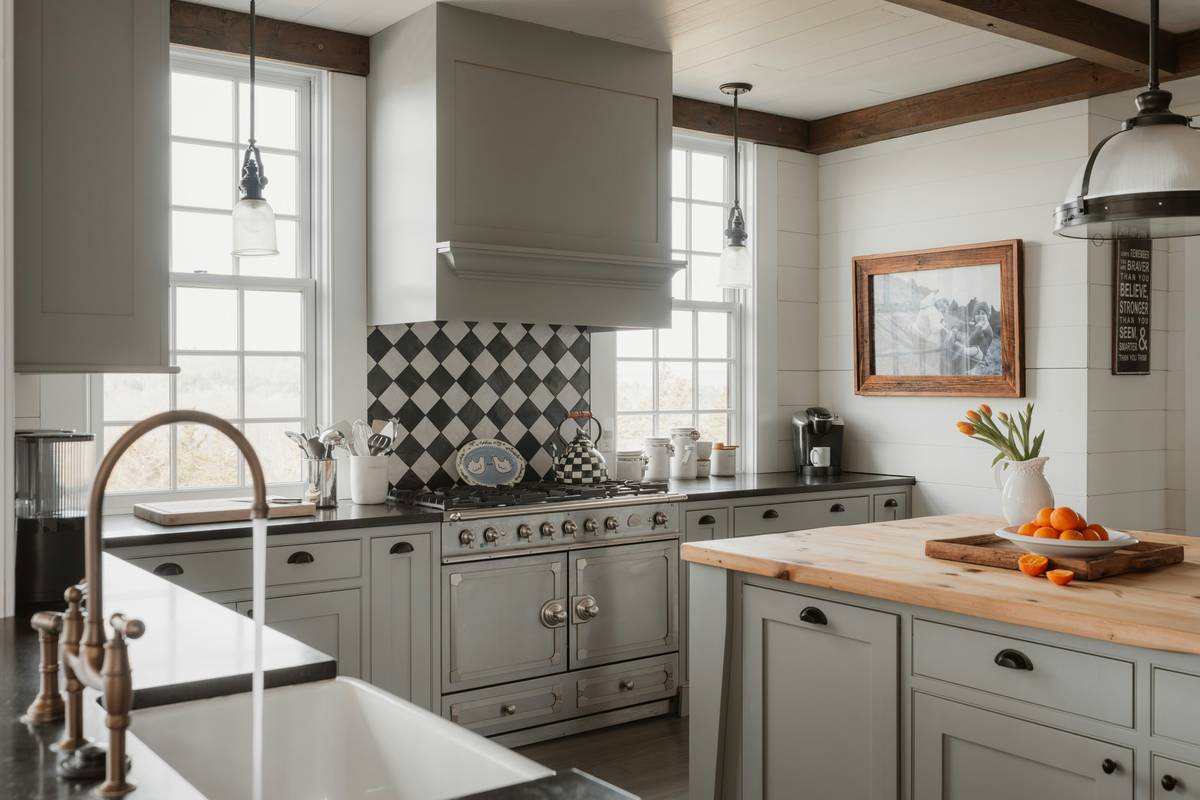
Ever walked into a “farmhouse-style” home and felt like you’d accidentally wandered onto a set for The Pioneer Woman? You’re not alone. I once spent $2,300 on a reclaimed wood dining set that looked stunning in the showroom—only to realize it clashed horribly with my modern kitchen backsplash and made my 800-square-foot bungalow feel like a hayloft waiting for goats.
If you’re craving that warm, rustic charm but don’t want your space to scream “barn sale gone wrong,” you’ve landed in the right place. This post breaks down exactly how to select authentic, functional, and timeless furniture for a farmhouse—whether you live in an actual rural homestead or a downtown loft with zero chickens.
You’ll learn:
- What *true* farmhouse furniture actually is (hint: it’s not just shiplap and mason jars),
- How to mix vintage pieces without looking cluttered,
- Which materials last decades—not just Instagram seasons,
- And why one common “farmhouse hack” is actually sabotaging your style.
Table of Contents
- What Exactly Is Farmhouse Furniture?
- How to Choose the Right Furniture for a Farmhouse Look
- 5 Best Practices for Styling Farmhouse Furniture
- Real Homes That Nailed It (and One That Didn’t)
- FAQs About Farmhouse Furniture
Key Takeaways
- Farmhouse furniture prioritizes function, durability, and honest materials—think solid wood, iron hardware, and handcrafted joinery.
- Avoid “fast farmhouse”: mass-produced pieces with fake distressing often lack authenticity and longevity.
- Mix eras intentionally—pair 19th-century trestle tables with clean-lined modern chairs for balance.
- Neutral palettes anchor the look, but texture (woven baskets, linen throws) adds warmth.
- According to the American Society of Interior Designers (ASID), 68% of clients seeking farmhouse style prioritize comfort over trendiness—a key insight most retailers ignore.
What Exactly Is Farmhouse Furniture?
Before you buy another “rustic chic” coffee table on Wayfair, let’s clarify: real farmhouse furniture wasn’t designed for Pinterest. It evolved out of necessity in 18th and 19th-century rural America—pieces built to withstand daily labor, feed large families, and last generations. Think sturdy trestle tables, ladder-back chairs, blanket chests, and pie safes with punched-tin panels for airflow.
Today’s interpretation blends that heritage with modern livability. But here’s the problem: the term “farmhouse” has been diluted by big-box retailers selling particleboard furniture with fake saw marks and chalk-painted finishes that chip after six months.
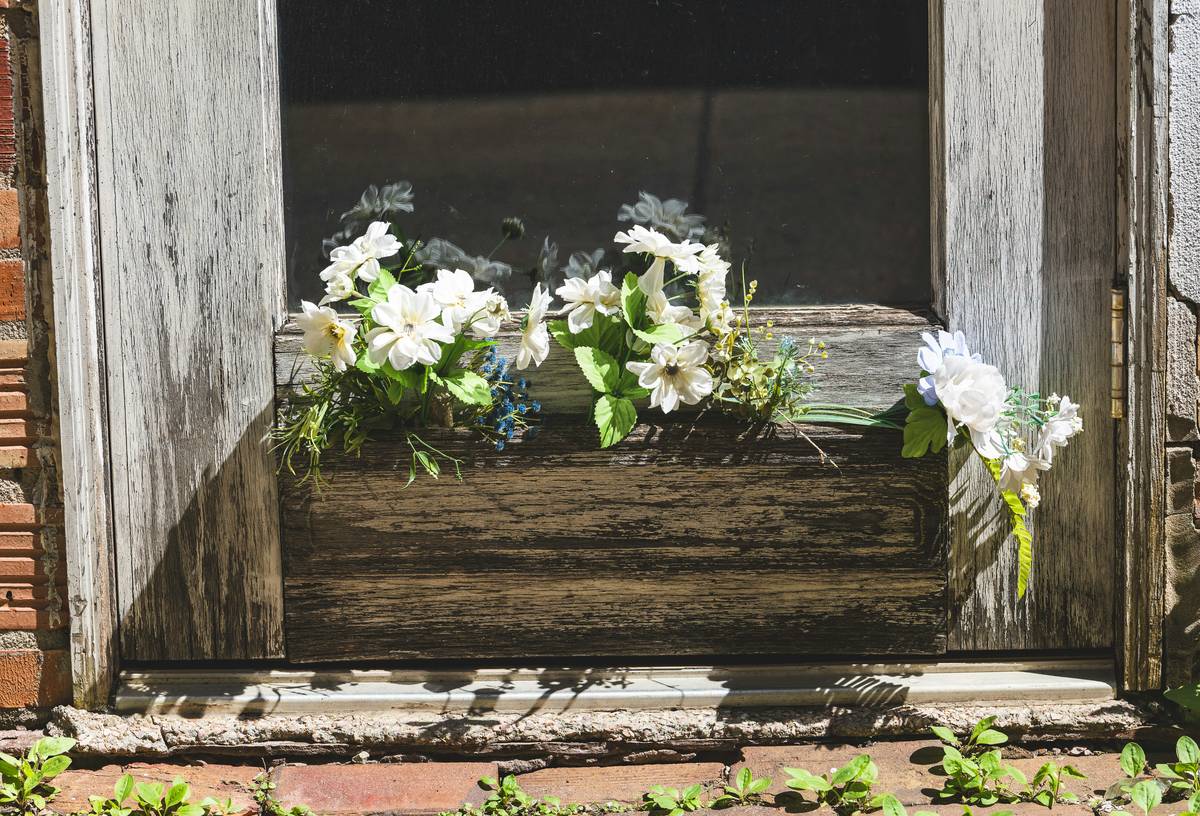
Expert Insight: As a certified interior designer specializing in period-appropriate renovations (yes, I’ve restored a 1790 Connecticut saltbox), I’ve seen countless clients regret skipping research. Authentic farmhouse style isn’t about aesthetics alone—it’s about honoring craftsmanship and purpose.
How to Choose the Right Furniture for a Farmhouse Look
What makes farmhouse furniture durable enough for real life?
Opt for solid hardwoods like oak, maple, or pine—species historically used because they were locally abundant and tough. Avoid veneers or MDF; they warp in humidity and can’t be refinished. I learned this the hard way when a client’s “distressed” sideboard swelled during a humid summer and never closed properly again.
Should all my farmhouse furniture be antique?
Nope—and thank goodness. While antiques add soul, they’re often impractical (try fitting a laptop on a 19th-century drop-leaf desk). Instead, blend: use a vintage farm table as your centerpiece, then pair it with new Windsor chairs that echo its lines. Pro tip: Check estate sales in agricultural regions—you’ll find gems at 1/3 retail prices.
How do I avoid the “theme park” trap?
Limit literal motifs. One rooster figurine? Charming. Three woven rooster baskets, rooster-print curtains, and a rooster door knocker? Overkill. Farmhouse style thrives on simplicity. Let materials speak: the grain of wood, the patina of wrought iron, the weave of burlap.
Optimist You: “I’ll layer textures and natural light for cozy elegance!”
Grumpy You: “Ugh, fine—but only if I don’t have to sand another piece of wood tonight.”
5 Best Practices for Styling Farmhouse Furniture
- Prioritize Function First: A farmhouse kitchen island should hold cookbooks, store utensils, and seat three kids doing homework—not just display succulents.
- Embrace Imperfection: Real wood cracks. Iron tarnishes. That’s character—not damage. Seal surfaces with food-safe mineral oil (for butcher block) or wax (for painted pieces), not plastic-like polyurethane.
- Stick to a 3-Color Palette: Cream, warm white, and black (or deep charcoal) form the backbone. Add one earth tone—terracotta, olive green—for depth.
- Mix Textures, Not Eras Randomly: Pair rough-hewn wood with smooth ceramic, nubby wool throws with sleek metal legs. But don’t toss in mid-century plastic chairs unless you’re going for intentional contrast.
- Lighting Matters: Skip industrial Edison bulbs. Go for milk glass pendants or simple wrought-iron sconces—they cast softer, more flattering light.
Real Homes That Nailed It (and One That Didn’t)
Case Study 1 – Vermont Homestead Revival: Sarah K., a dairy farmer in Montpelier, inherited her great-grandmother’s trestle table. Instead of covering it in plastic, she had it professionally restored, paired it with mismatched vintage chairs reupholstered in linen, and added a modern bench for extra seating. Result? A kitchen that feels lived-in yet curated. Her utility: “Kids can spill milk, and I wipe it off without panic.”
Case Study 2 – Urban Loft Misstep: Mark T. in Chicago bought a full “farmhouse collection” from a major retailer. Within a year, the hollow-core cabinets sagged, the faux-distressed finish peeled near the dishwasher steam, and the look felt sterile. Lesson? Mass production ≠ heritage.
Data Point: According to Houzz’s 2023 Kitchen Trends Study, 74% of homeowners who invested in solid wood farmhouse pieces reported higher satisfaction after five years versus those who chose budget alternatives.
FAQs About Farmhouse Furniture
Is farmhouse furniture only for country homes?
Absolutely not! The style works beautifully in urban and suburban settings. The key is balancing rustic elements with clean lines—like pairing a farmhouse sink with minimalist cabinetry.
How do I maintain painted farmhouse furniture?
Use a soft cloth and mild soap. Never use abrasive cleaners—they strip paint. For chips, touch up with matching chalk paint and seal with clear wax. I keep a mini kit under my sink for quick fixes.
Can I mix farmhouse with other styles?
Yes! Farmhouse blends seamlessly with Scandinavian (shared love of wood and minimalism) and even coastal (light woods, breezy textiles). Avoid clashing with ultra-modern chrome or ornate French provincial.
Where’s the best place to buy authentic farmhouse furniture?
Local Amish craftsmen, antique malls in rural towns, and Etsy makers who specialize in heirloom-quality builds. Avoid anything labeled “instant farmhouse”—if it ships flat-packed in a box, it’s probably not the real deal.
Conclusion
Finding the right furniture for a farmhouse isn’t about chasing trends—it’s about creating a home that feels grounded, welcoming, and built to last. Start with one anchor piece (a table, a bed frame), choose honest materials, and layer in comfort. Remember: the best farmhouse homes don’t look staged; they look loved.
And if you’re still tempted by that $199 “reclaimed” bookshelf? Ask yourself: Will it survive spilled soup, rowdy toddlers, and ten winters of dry heat? If not, walk away. Your future self—and your aesthetic integrity—will thank you.
Like a Tamagotchi, your farmhouse style needs daily care—not just a weekend refresh.
Wood grain whispers,
Chairs creak with stories told—
Home, not museum.