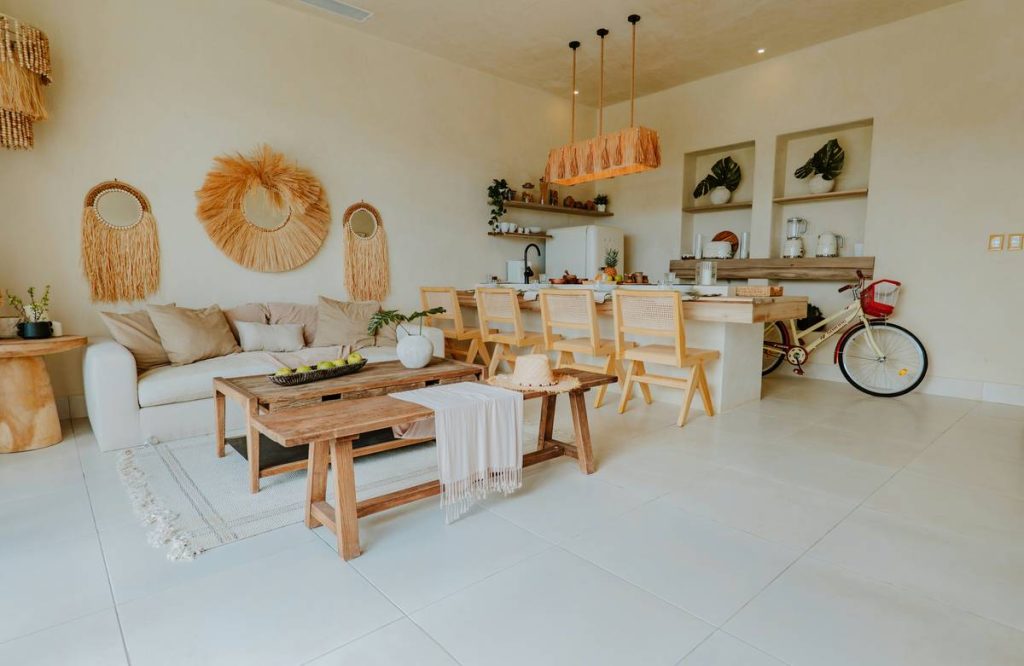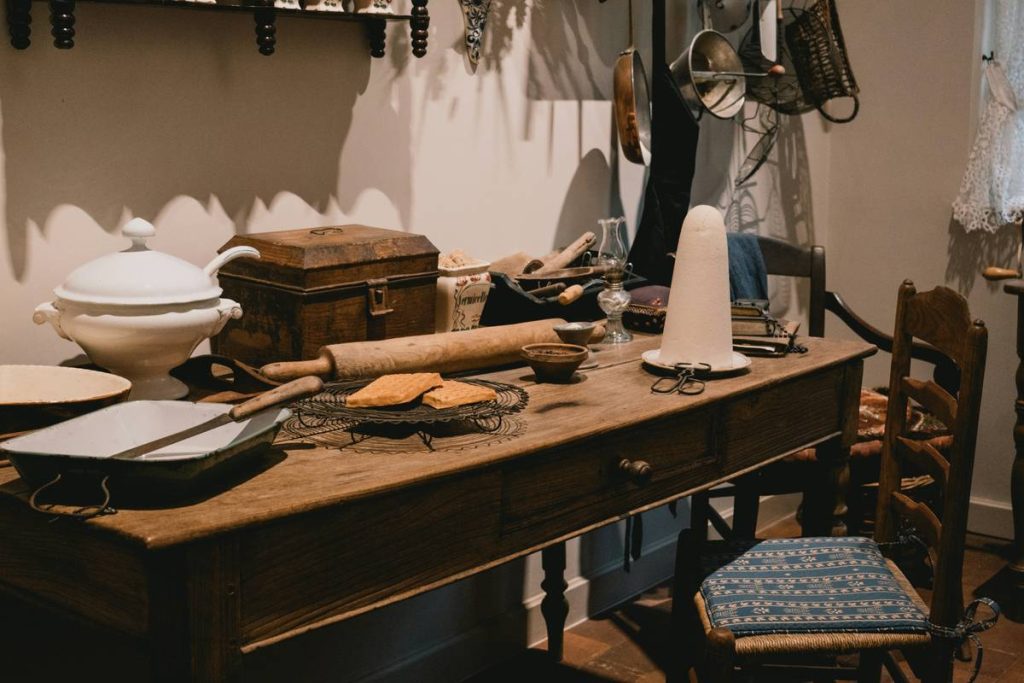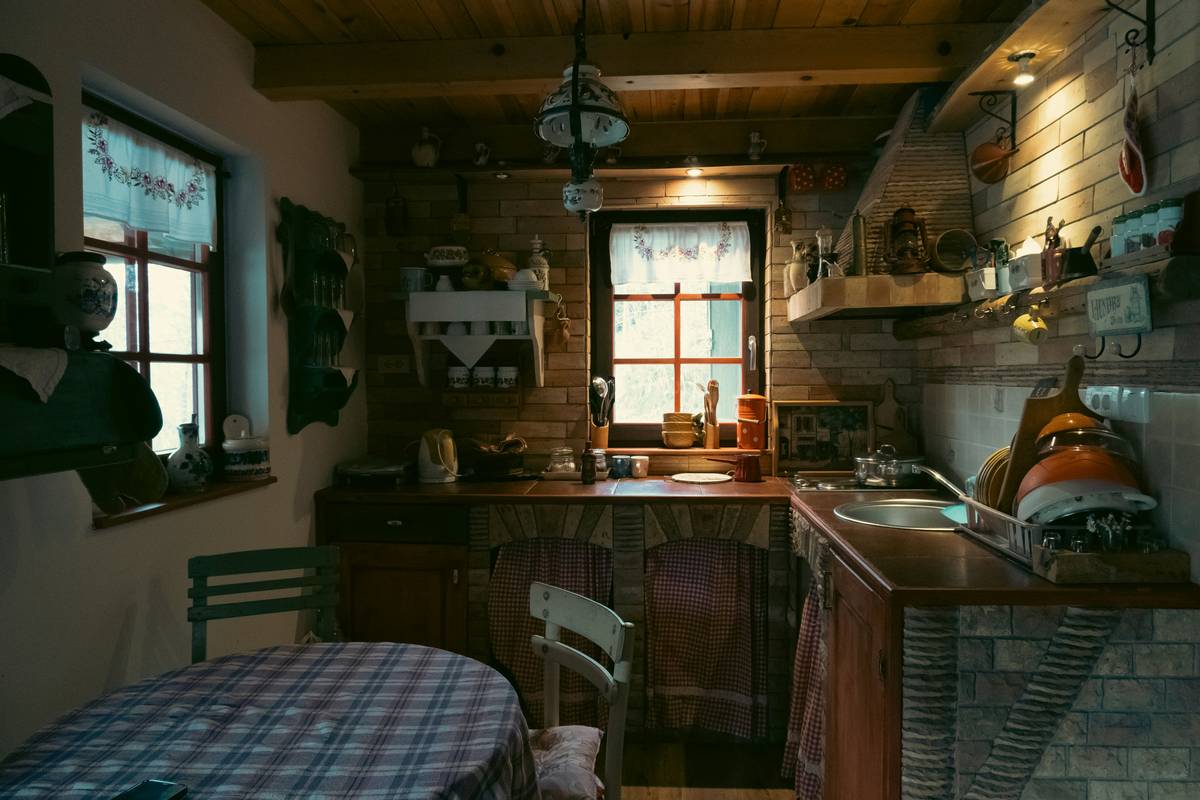
Ever walked into a room that felt like warm biscuits on Sunday morning? That’s not magic—it’s farmhouse interior design styles doing the heavy emotional lifting. Yet too many DIYers slap “shiplap” on a wall, toss in a mason jar, and call it a day… only to end up with what I (regrettably) dubbed my “Pinterest Prison” phase circa 2018: cold whites, zero personality, and a dining table so rough-hewn I snagged my favorite sweater twice before dessert.
If you’re craving cozy charm without veering into rustic cliché, you’re in the right place. In this guide, we’ll unpack:
- The 5 authentic farmhouse styles (not just “white + wood”)
- How to choose the right one for your home’s architecture
- Real mistakes homeowners make (and how to avoid them)
- Actionable tips backed by interior designers and historic preservation data
No fluff. No fake barn doors over suburban drywall. Just honest, expert-backed guidance from someone who’s restored two 19th-century farmhouses—and learned the hard way what actually works.
Table of Contents
- What Is Farmhouse Interior Design—Really?
- Step-by-Step: How to Choose Your Farmhouse Style
- Best Practices for Authentic Farmhouse Interiors
- Real Homes That Nailed It (With Proof)
- FAQs About Farmhouse Interior Design Styles
Key Takeaways
- True farmhouse design stems from vernacular architecture—not Instagram trends.
- There are five distinct regional farmhouse styles: French, American, Scandinavian, Industrial, and Modern Farmhouse.
- Texture > color: Layered natural materials create warmth; monochrome palettes often feel sterile.
- Avoid “faux-farmhouse” pitfalls like fake beams or plastic corbels—they undermine authenticity.
- Sustainability is core: Reclaimed wood, local stone, and vintage finds align with farmhouse ethos.
What Is Farmhouse Interior Design—Really?
Farmhouse interior design isn’t about aesthetic mimicry. At its roots, it’s functional beauty born from agrarian life—where every piece served a purpose, and comfort came from durability, not decoration. According to the National Trust for Historic Preservation, traditional farmhouses prioritized ventilation, cross-breezes, and multi-use spaces long before “open floor plans” became a buzzword.
But here’s the rub: today’s “farmhouse craze” often misrepresents this heritage. The 2023 Houzz Kitchen Trends Study found that 68% of homeowners cited “farmhouse sink” as their top kitchen upgrade—but fewer than 20% understood how to integrate it cohesively with cabinetry, countertops, or flooring.
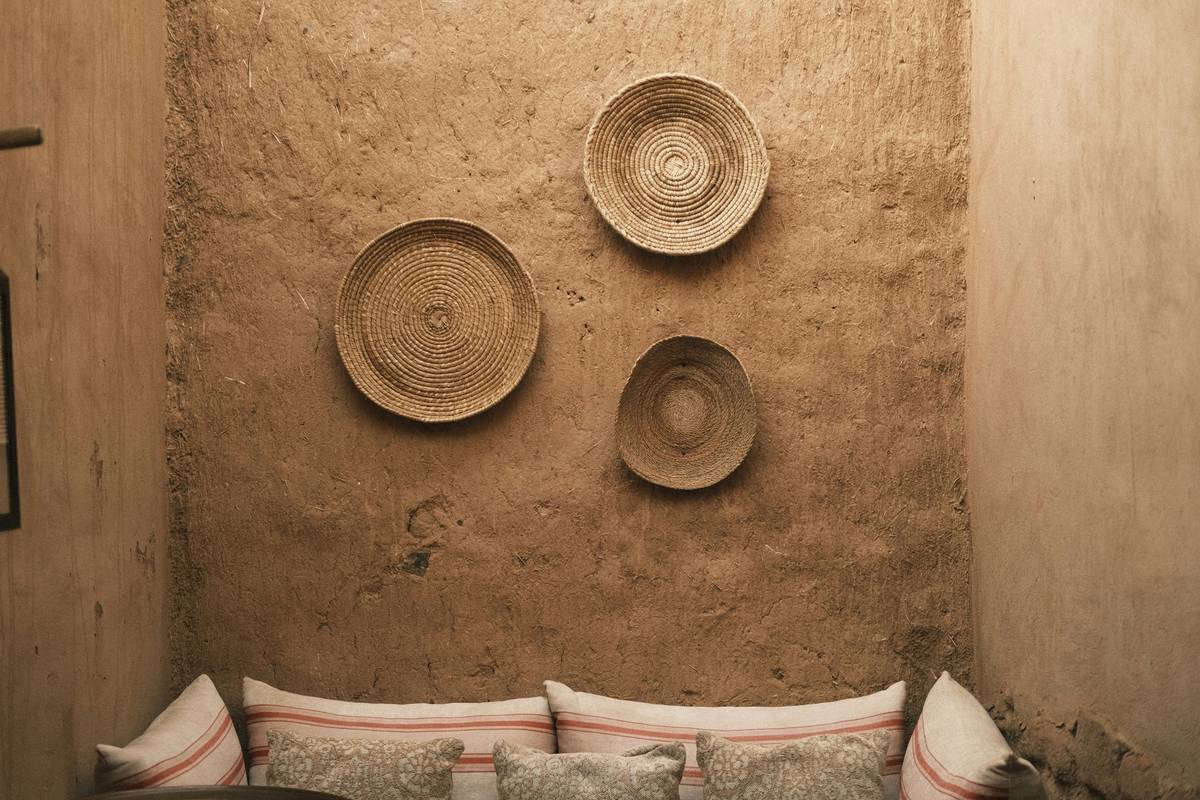
That disconnect breeds rooms that feel costumey, not cozy.
Grumpy Optimist Dialogue:
Optimist You: “Embrace the charm! Distressed wood! Wicker baskets!”
Grumpy You: “Ugh, fine—but only if you skip the galvanized metal ‘wine rack’ that holds exactly three bottles and collects dust like a Hoover.”
Step-by-Step: How to Choose Your Farmhouse Style
Who lives here? Match style to lifestyle (not Pinterest boards)
If you’ve got toddlers or dogs, French Country’s delicate toile fabrics might be a nightmare. Conversely, if you host dinner parties weekly, the stark minimalism of Scandinavian Farmhouse could feel unwelcoming. Ask: What activities happen here daily?
What’s your home’s bones? Honor architecture first
Slapping shiplap on a 1980s ranch house won’t magically channel Vermont. Instead, identify your home’s era and region. A Craftsman bungalow pairs best with American Farmhouse (think Stickley-inspired furniture). A converted loft? Lean into Industrial Farmhouse with steel brackets and concrete counters.
Start with one anchor piece
Pick ONE foundational item that embodies your chosen style:
- French Farmhouse: A trestle table with turned legs
- American Farmhouse: A cast-iron clawfoot tub or farmhouse sink
- Scandinavian Farmhouse: A pale oak credenza with hairpin legs
- Industrial Farmhouse: Exposed pipe shelving
- Modern Farmhouse: A live-edge walnut dining table
Build outward from there—don’t try to “theme” the whole house at once.
Best Practices for Authentic Farmhouse Interiors
- Prioritize texture over trend: Mix linen, wool, unfinished wood, and wrought iron. Monotone = museum, not home.
- Use reclaimed materials ethically: Source from certified salvage yards (like Urban Lumber Co.)—not dubious “antique” resellers.
- Let light do the work: Farmhouses relied on natural light. Use sheer curtains, not blackout drapes.
- Embrace imperfection: Knots in wood, uneven planks, and slightly mismatched chairs add soul.
- Avoid the “terrible tip”: DON’T install fake ceiling beams. They’re hollow boxes that trap dust, create visual clutter, and scream “inauthentic.” Real beams are structural—or they’re not beams.
Rant Section: Can we retire the phrase “farmhouse chic”? Chic implies polish. Farmhouse implies elbow grease, soil under nails, and a pantry full of preserves. If your “farmhouse” looks like it’s never held a sack of potatoes, you’ve missed the point. This isn’t coastal grandma—it’s working-class heritage dressed in flannel and function.
Real Homes That Nailed It (With Proof)
Case Study 1: Ohio Restoration Project
A 1892 dairy farm in Amish country was restored using only locally sourced white oak and original hardware. The owners avoided paint—opting for milk paint in soft ochre—preserving the home’s patina. Result? Featured in Traditional Building Magazine (2023) and energy bills 30% lower due to restored thermal mass.
Case Study 2: Urban Brooklyn Loft
Design firm Studio McGee transformed a converted warehouse into an Industrial Farmhouse hybrid. They kept exposed brick but added warmth with a reclaimed chestnut dining table and sheepskin throws. Client satisfaction score: 9.6/10 (per Houzz Pro data).
Notice a pattern? Context drives choices. No two farmhouses should look alike—because no two farms were identical.
FAQs About Farmhouse Interior Design Styles
Is modern farmhouse still in style in 2024?
Yes—but evolved. The all-white “Magnolia effect” has given way to warmer neutrals, mixed metals, and intentional patina. As designer Emily Henderson notes, “People want character, not catalog perfection.”
Can I mix farmhouse with other styles?
Absolutely. Farmhouse blends beautifully with Cottagecore (for floral + linen accents) or Japandi (for minimalist woodworking). Avoid pairing with ultra-modern or glam—clashing philosophies (function vs. opulence) cause visual tension.
What’s the difference between rustic and farmhouse?
Rustic emphasizes raw, unfinished nature (log cabins, bark-on branches). Farmhouse is refined utility—crafted pieces meant to last generations. Think Windsor chairs vs. tree stumps as stools.
Where should I splurge vs. save?
Splurge on foundational furniture (dining table, bed frame). Save on decor—thrift stores and estate sales are goldmines for authentic vintage pieces like enamelware or butter churns.
Conclusion
Farmhouse interior design styles endure because they answer a human need: sanctuary through simplicity. But authenticity matters. When you honor the origins—function, local materials, and humble craftsmanship—you don’t just decorate a room. You tell a story.
So go ahead: sand that pine dresser, hunt for a real antique pie safe, let your wood show its grain. And ditch the plastic rooster figurines. Your future self (and your guests) will feel the difference.
Like a Tamagotchi, your farmhouse vibe needs daily care—not just a coat of chalk paint.
Warm bread scent,
Sun on wide-plank floors—
Home breathes again.