You love the warmth of farmhouse furniture—but hate how easily it tips into “grandma’s attic” territory. The problem? Most pieces labeled “farmhouse” are mass-produced imitations with zero soul. They look cheap, feel flimsy, and vanish from style relevance in 18 months. Here’s the fix: luxury farmhouse furniture styles blend handcrafted integrity with modern refinement. No more choosing between rugged authenticity and elegant living.
Why Typical Farmhouse Furniture Falls Short
Big-box retailers slap a distressed finish on particleboard and call it “farmhouse.” It’s not. Real farmhouse design emerged from necessity—functional, durable, built to last generations. Today’s diluted versions sacrifice structural integrity for Instagram aesthetics. And that “reclaimed wood” finish? Often just laminate printed to mimic grain. The result? Furniture that looks tired before you unpack the boxes.
True luxury farmhouse isn’t about slapping a barn door on a credenza. It’s about proportion, material honesty, and intentional detailing. Skip the shortcuts—or you’ll pay twice.
How to Choose & Style Authentic Luxury Farmhouse Furniture
Forget trends. Focus on timeless execution. Here’s your actionable framework:
Prioritize Solid Wood Over Engineered Substitutes
Oak, walnut, and maple aren’t just buzzwords—they’re investments. Solid wood ages gracefully; plywood cracks, MDF swells. Look for joinery like mortise-and-tenon or dovetails. If screws are the only thing holding it together, walk away.
Balance Rustic Texture With Clean Lines
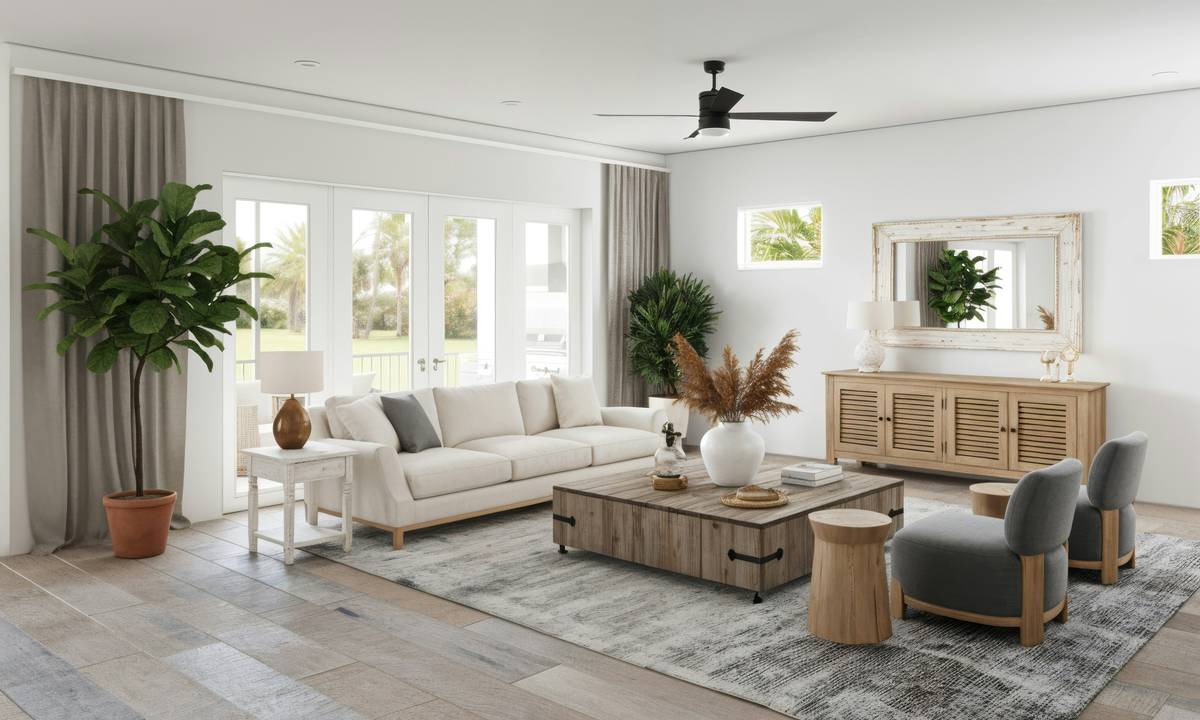
Heavy distressing kills luxury. Instead, opt for subtle wire-brushed finishes or live-edge accents paired with tapered legs or minimalist hardware. Think Shaker meets Southern manor—not a theme park saloon.
Mix Eras Intentionally
A Gustavian-style painted dresser next to a mid-century leather sofa? Yes—if tied together by consistent undertones. Stick to one dominant wood tone plus two neutrals max. Chaos creeps in when every piece screams for attention.
| Material/Finish | Durability (1-10) | Avg. Cost Range | Luxury Indicator |
|---|---|---|---|
| Solid White Oak w/ Hand-Rubbed Oil | 9 | $1,800–$4,500 | Heirloom quality, ages to honey patina |
| Reclaimed Barn Wood (Authentic) | 8 | $2,200–$6,000 | Variation in grain + nail holes = character |
| Engineered Wood w/ Distressed Paint | 3 | $300–$900 | Fails within 2 years; peeling edges |
| Walnut w/ Brushed Brass Hardware | 10 | $2,500–$7,000 | Modern-luxury fusion; low visual noise |
The Industry Secret: What Top Designers Won’t Admit
Here’s the reality: 80% of “luxury farmhouse” sold online is finished in overseas factories using reactive stains that mimic aging in hours. Real patina takes decades—and sunlight. The secret? Buy unfinished or semi-finished solid wood pieces, then apply a custom oil blend over weeks. This builds depth no spray gun can replicate. One designer I know sources raw trestle tables from Amish workshops, then applies three coats of tung oil mixed with a hint of raw umber—creating a finish that looks lived-in but never sloppy. The math is simple: control the finish, control the luxury.
Frequently Asked Questions
Is luxury farmhouse furniture expensive?
Yes—quality costs more upfront but lasts decades. Expect $1,500+ for a real dining table versus $400 for veneer imposters.
Can luxury farmhouse work in small apartments?
Absolutely. Choose scaled-down pieces like a bench instead of a banquette, or a wall-mounted reclaimed wood shelf. Avoid bulky silhouettes.
What’s the difference between farmhouse and rustic furniture?
Farmhouse emphasizes clean lines and function; rustic leans into rough-hewn drama. Luxury farmhouse adds refined materials and precise craftsmanship to the mix.