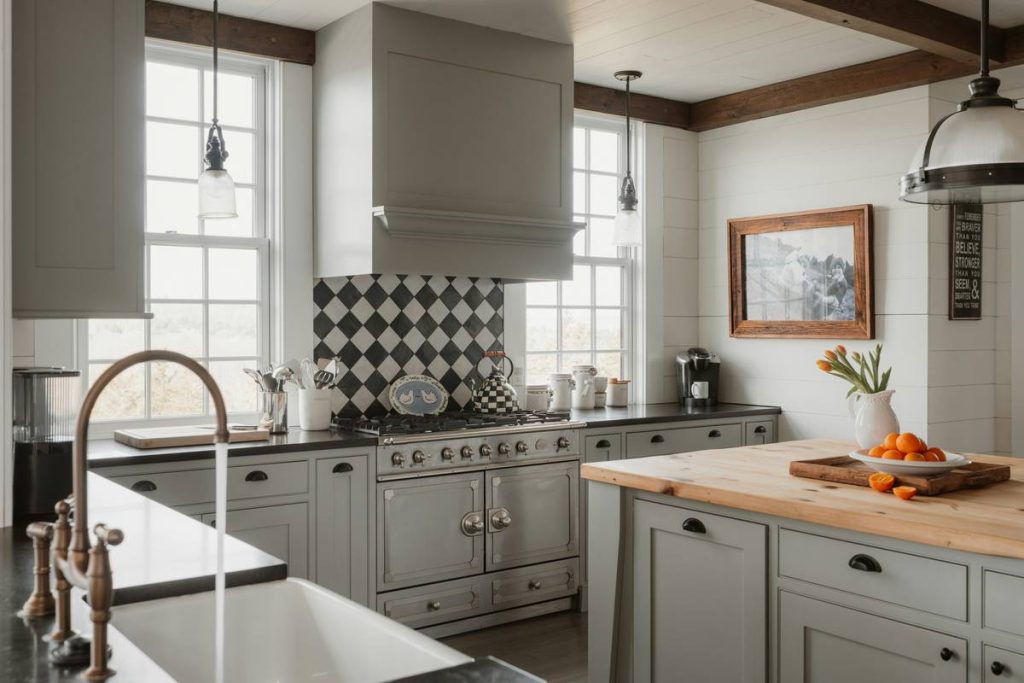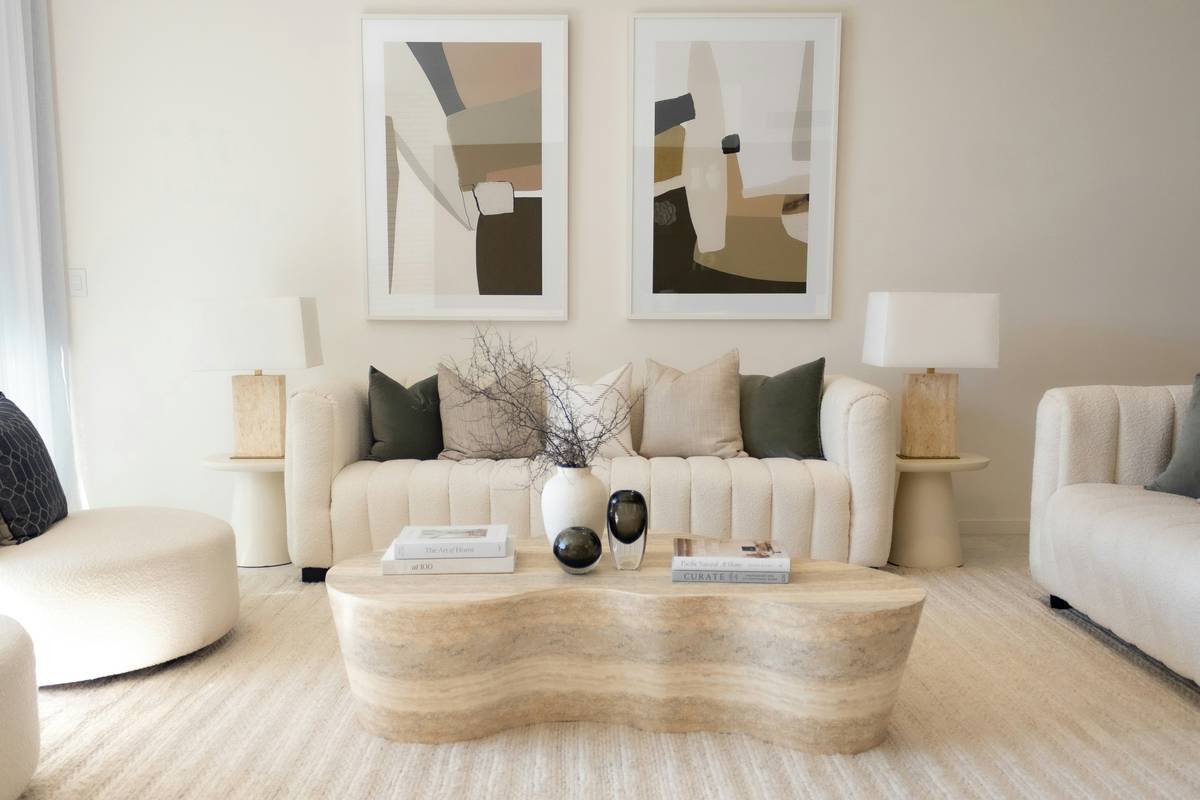
You love the idea of farmhouse style home furniture—warm wood tones, chunky silhouettes, that lived-in authenticity. But your last attempt looked more “thrift store reject” than “Pinterest-worthy retreat.” The problem? Most guides treat farmhouse as a costume, not a cohesive design language. And when mismatched pieces crowd your space, it feels chaotic—not cozy. Here’s how to nail the aesthetic without sacrificing function or modern sensibility.
Why “Rustic” Often Ends Up Looking Rundown
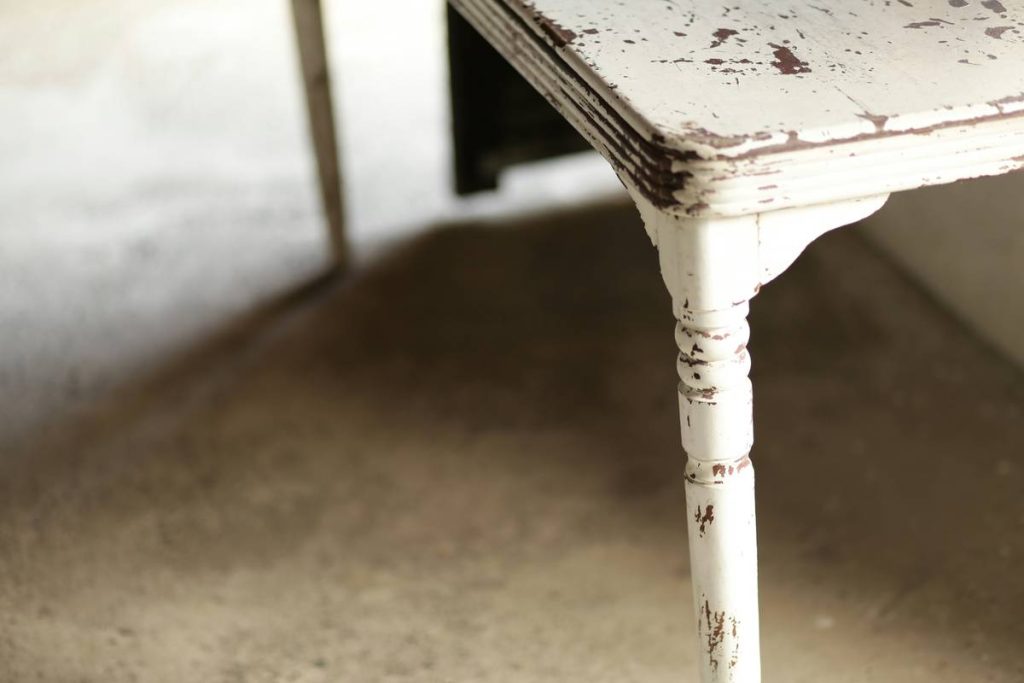
Many homeowners slap on shiplap walls, buy a distressed table from a big-box store, and call it farmhouse. It rarely lands right.
The issue? True farmhouse furniture wasn’t designed for Instagram—it was built for utility. Generations ago, farmers needed durable, repairable pieces that withstood daily wear. Today’s mass-market “farmhouse” items mimic the look but use particleboard, fake distressing, and proportions that overwhelm average-sized rooms. You’re not failing—you’re being sold a caricature.
And authenticity matters more than you think. Your eye knows when grain patterns repeat unnaturally or joinery looks glued rather than mortised.
How to Choose & Integrate Farmhouse Style Home Furniture (Without Overdoing It)
Start by anchoring your space with one genuine statement piece—like a solid oak dining table or a credenza with visible dovetail joints. Then layer in complementary elements that respect scale and material honesty.
Identify Authentic Materials vs. Imitations
Avoid anything labeled “engineered wood with rustic finish.” Real farmhouse pieces use solid pine, oak, or maple—often with visible knotting and variation. Touch the surface. If it feels smooth like plastic, walk away.
Scale for Contemporary Living
Historic farmhouses had 12-foot ceilings and cavernous kitchens. Your 800-square-foot condo doesn’t. Opt for farmhouse-inspired pieces scaled down: bench seating instead of oversized hutches, tapered legs on sideboards, or open shelving with clean lines.
Mix Eras Intentionally
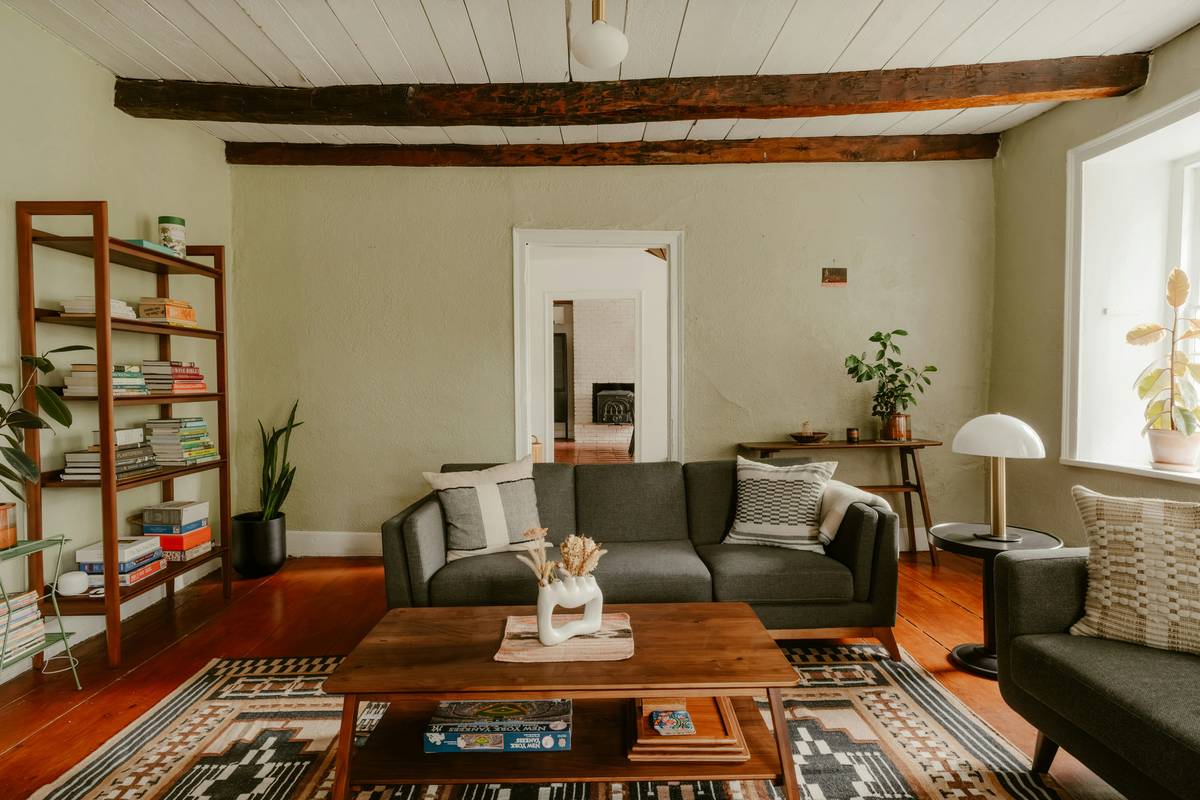
Pure period replication feels museum-like. Blend mid-century chairs with a farmhouse trestle table. Pair industrial pendants over a reclaimed-wood island. The contrast adds depth—and keeps the room from feeling like a set piece.
| Approach | Cost Range (USD) | Lifespan | Maintenance Required |
|---|---|---|---|
| Mass-Market “Farmhouse” (e.g., big-box retailer) | $200–$600 | 3–5 years | High (peeling finishes, wobbly joints) |
| Vintage/Secondhand Authentic (estate sales, antique shops) | $400–$1,800 | 20–100+ years | Moderate (occasional oiling, minor repairs) |
| Custom-Built Solid Wood (local artisan) | $1,200–$5,000+ | Generational | Low (annual conditioning, gentle cleaning) |
Finish With Purpose—Not Just Distress
Real wear comes from use, not factory-applied dings. If you prefer a timeworn look, choose naturally aged wood or request light hand-distressing from a craftsman—never machine-sanded “antiquing.” Better yet: start with raw wood and let life leave its marks.
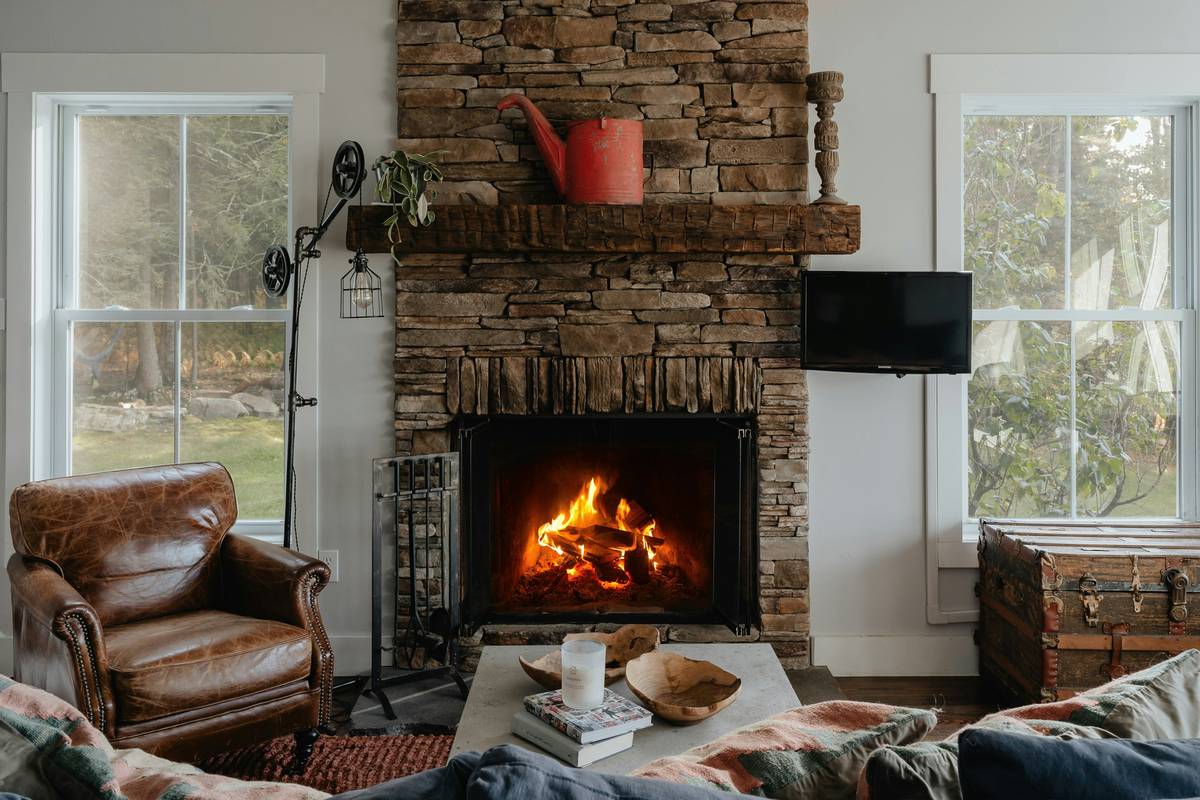
The Industry Secret: Farmhouse Thrives on Negative Space
Here’s what no catalog tells you: true farmhouse interiors breathe. They’re not cluttered with decor. Back in the day, surfaces were clear because they were work zones—tables held bread dough, not trinkets.
Modern designers who nail this style leave 40–60% of surfaces empty. That negative space lets the grain, texture, and form speak. It also prevents visual fatigue. Think about it: a farmhouse sink looks stunning against a plain tile backsplash—not when competing with ten mason jars and a chalkboard menu.
The math is simple—fewer things, better quality, more room to live.
Frequently Asked Questions
Is farmhouse style home furniture only for country houses?
Not at all. Its strength lies in adaptability. In urban lofts or suburban homes, use clean-lined farmhouse pieces as grounding elements amid modern finishes like concrete or steel.
How do I keep farmhouse wood furniture from looking too dark?
Choose lighter species like ash or maple, finish with natural oils (not polyurethane), and balance with white walls, linen textiles, and ample lighting.
Can I mix farmhouse with other styles?
Absolutely. Farmhouse pairs beautifully with Scandinavian minimalism, industrial accents, and even coastal palettes—just maintain consistent wood tones and avoid ornate detailing.