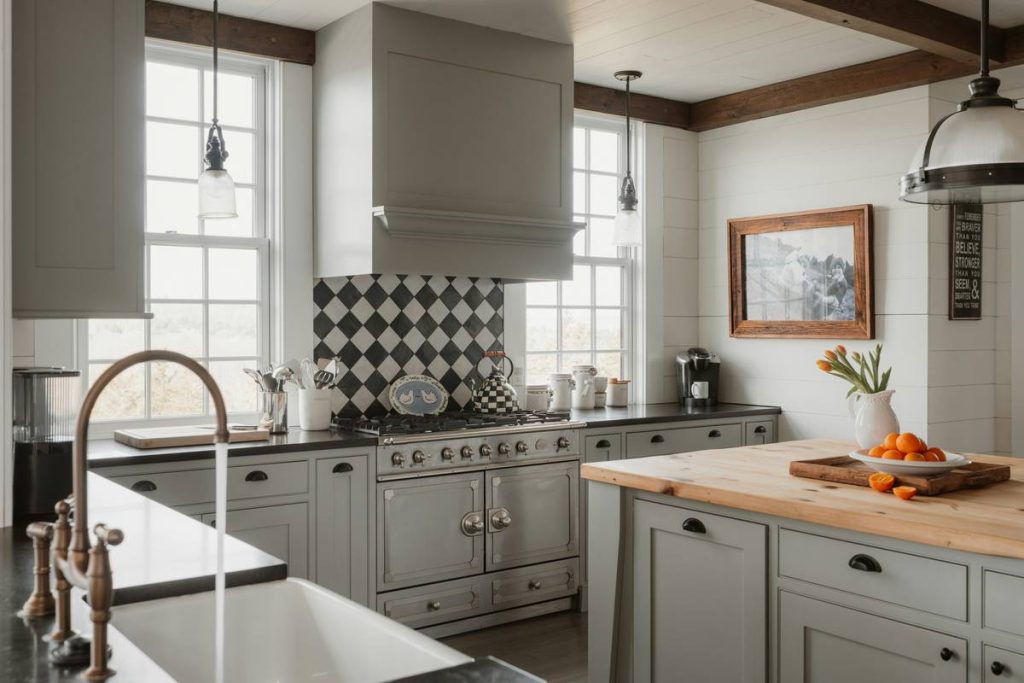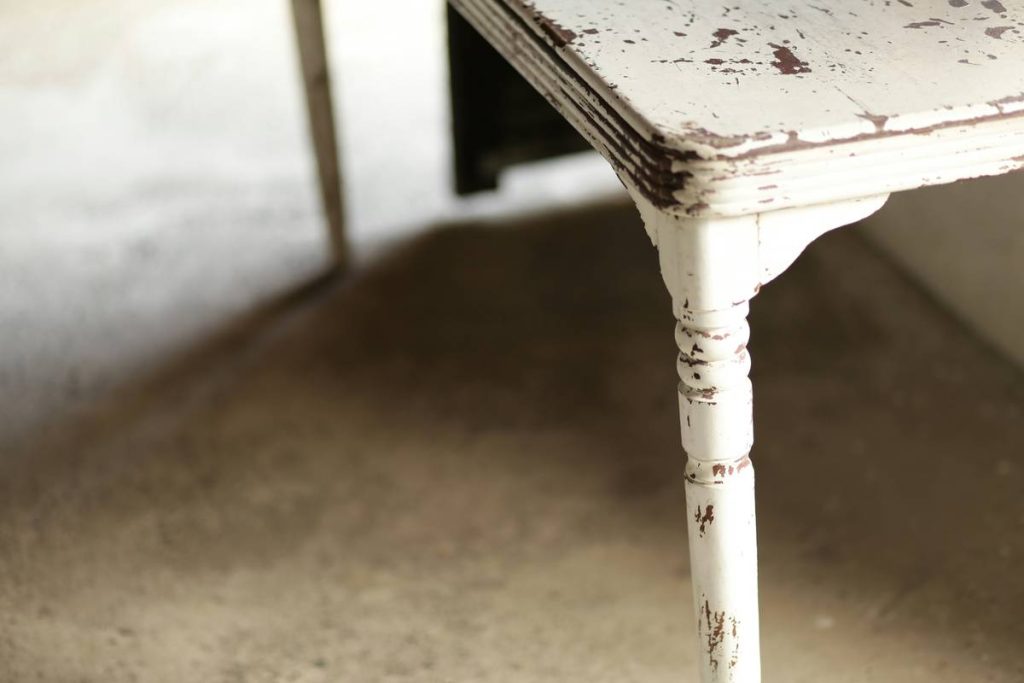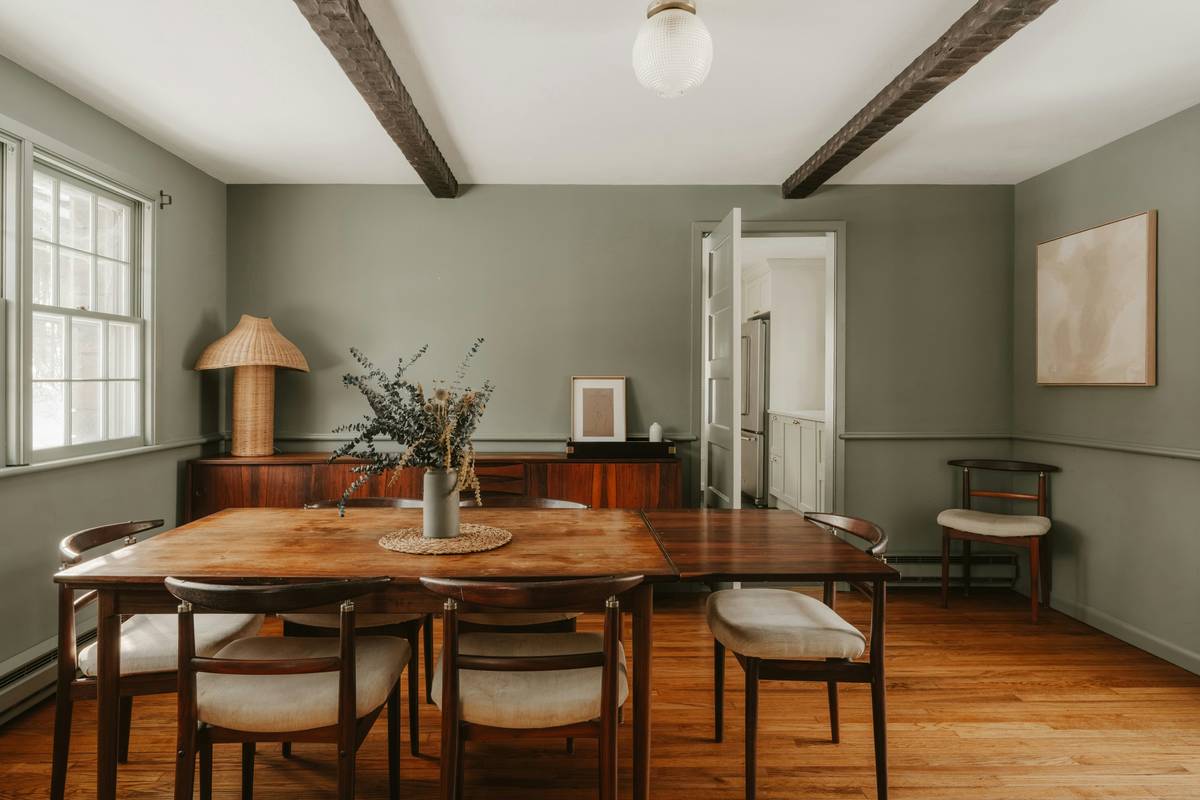
You love the cozy, weathered look of farmhouse style dining furniture—but your current setup feels flimsy, mismatched, or just plain wrong for daily life. Mass-market “rustic” tables crack under real use. Chairs squeak after three months. And that “vintage whitewash” finish? It chips if you breathe on it wrong. Here’s how to get authentic, durable farmhouse dining sets that actually last—without sacrificing soul.
Why Most Farmhouse Dining Sets Fail Within Two Years
It’s not your fault. Retailers slap a distressed paint job on particleboard and call it “farmhouse.” Real farmhouse style dining furniture was built by hand from solid hardwoods meant to survive generations—not Instagram photos. The problem isn’t aesthetics; it’s construction. And most buyers never check joinery until it’s too late.
But even solid wood can be poorly engineered. Dovetail joints? Pocket screws? Mortise-and-tenon? That choice determines whether your table holds up during holiday feasts—or collapses when Uncle Frank leans back in his chair.
How to Choose & Maintain Authentic Farmhouse Style Dining Furniture
Start with the Right Wood Species
Pine is traditional but soft. Oak offers durability with visible grain. Maple resists scratches better than both. Don’t default to reclaimed wood unless you verify its structural integrity—old barn beams often hide rot or metal shrapnel.
Inspect Joinery Like a Cabinetmaker
Run your fingers along seams. If you feel gaps or wobble, walk away. True farmhouse craftsmanship uses interlocking joints—not glue and nails masquerading as heritage design.
Finish for Function, Not Just Looks
A matte oil finish ages gracefully; polyurethane yellows and peels. Wax every 6–12 months to maintain water resistance. Skip glossy topcoats—they scream “fake antique.”
| Material Type | Price Range (Table for 6) | Lifespan (With Care) | Best For |
|---|---|---|---|
| Solid Oak | $1,200–$2,800 | 30+ years | Daily use, high-traffic homes |
| Reclaimed Pine | $900–$2,200 | 15–25 years* | Authentic character, low humidity areas |
| Engineered Wood (Veneer) | $400–$900 | 3–7 years | Rental properties, temporary setups |
*Assumes no hidden damage or insect infestation.
The Industry Secret No One Talks About
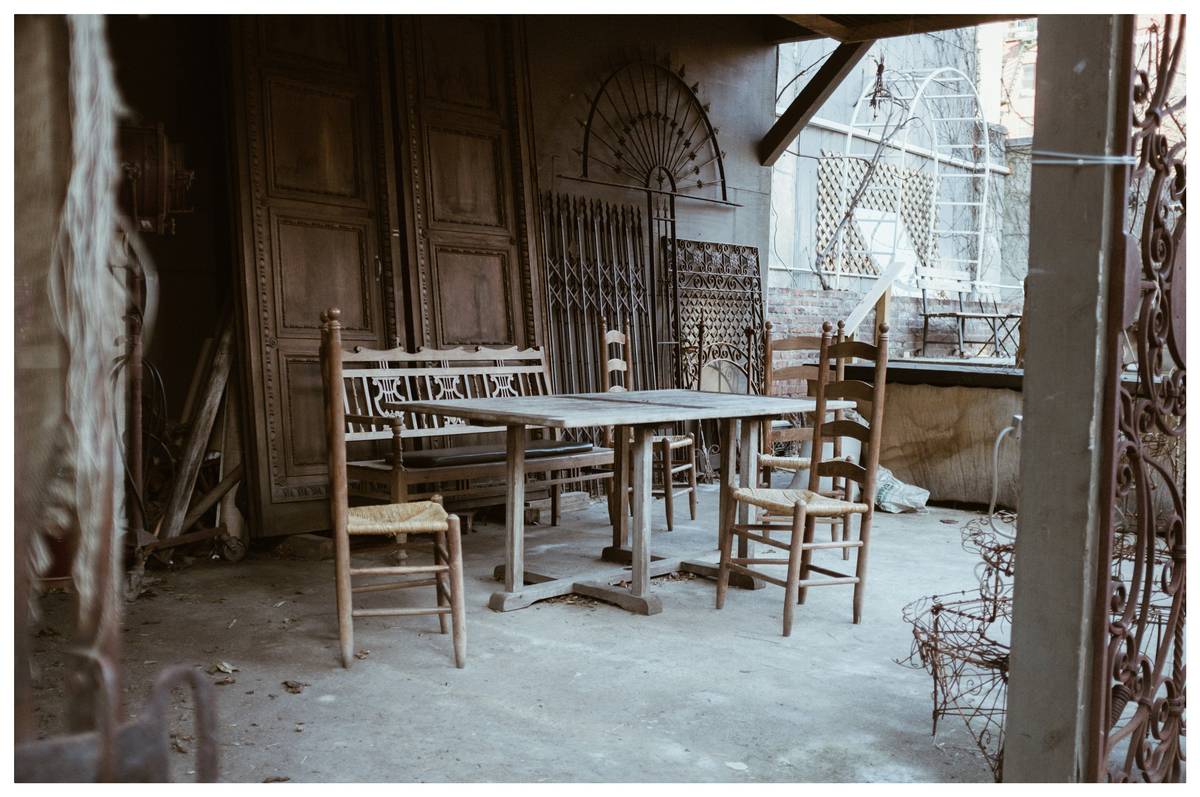
Here’s the reality: most “farmhouse” furniture sold online isn’t made by artisans—it’s outsourced to factories using CNC routers programmed with generic templates. The secret? Look for makers who offer customization on leg turnings or breadboard ends. That flexibility signals true bench-built quality. Also—buy unfinished. A raw wood table shipped directly from the workshop lets you apply your own finish tailored to your home’s humidity and light exposure. You’ll gain longevity most buyers never consider.
FAQ
What defines true farmhouse style dining furniture?
It features solid wood construction, simple lines, functional proportions, and honest finishes—never ornate carvings or synthetic materials. Think workbench practicality with warmth.
Can farmhouse tables work in small apartments?
Absolutely. Opt for a drop-leaf or trestle base design—it saves floor space while maintaining aesthetic integrity. Scale matters more than square footage.
How do I prevent scratches on a farmhouse dining table?
Use placemats daily, re-oil surfaces biannually, and never slide dishes. Minor marks add character—but deep gouges come from neglect, not use.