Your entryway screams “clutter,” not charm. Shoes pile up, coats drape like sad ghosts, and that flimsy console table wobbles under a single umbrella. You bought “farmhouse” pieces—distressed wood, iron accents—but they feel like costume props, not functional anchors. The problem? Most farmhouse style entryway furniture prioritizes aesthetic over actual human behavior. Here’s how to fix it—with strategy, not just shiplap.
Why Your Farmhouse Entryway Feels Like a Showroom (Not a Home)
You followed Pinterest. You found the perfect weathered bench, vintage mirror, woven basket combo. But after two weeks, it’s a dumping ground. Why?
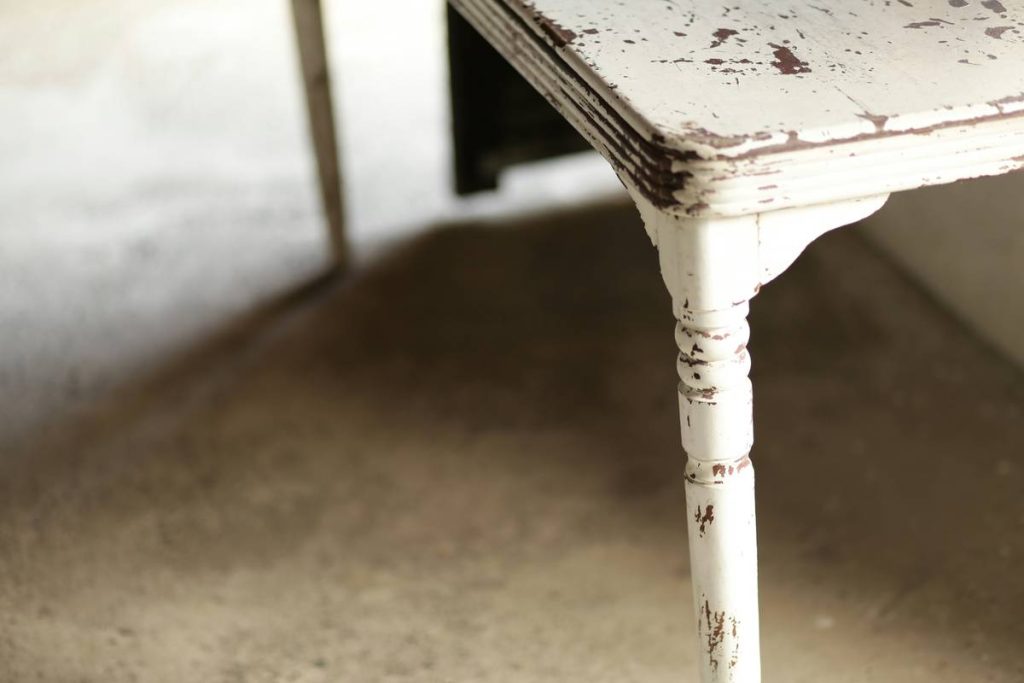
Farmhouse style gets reduced to surface-level tropes: worn finishes, chunky legs, chicken wire inserts. But real farmhouse functionality comes from *workhorse design*—pieces built for boots, mail, muddy leashes, and seasonal chaos. Most mass-market “farmhouse” entryway furniture lacks depth, storage logic, or weight capacity. It looks rustic but collapses under real life.
And that’s the gap. Aesthetic ≠ utility.
Building a Functional Farmhouse Style Entryway Furniture System
Forget matching sets. Think modular, purpose-built zones. Your entry needs three things: drop zone, hang zone, view zone. Here’s how to engineer it:
Select Solid-Core Wood Over Veneer
Plywood with a barn-red sticker won’t last. Go for solid pine, oak, or maple—kiln-dried, not green. It’ll dent, yes. But it’ll age with character, not peel into landfill fodder.
Prioritize Hidden Storage
Baskets are cute—until they’re overflowing. Build in deep cubbies or lift-top benches with interior bins. Your goal: make mess invisible in 3 seconds flat.
Anchor with Weight + Wall Support
A floating shelf won’t cut it. Your console or bench must be substantial—minimum 14” depth—and ideally secured to wall studs. Farmhouse isn’t delicate. It’s grounded.
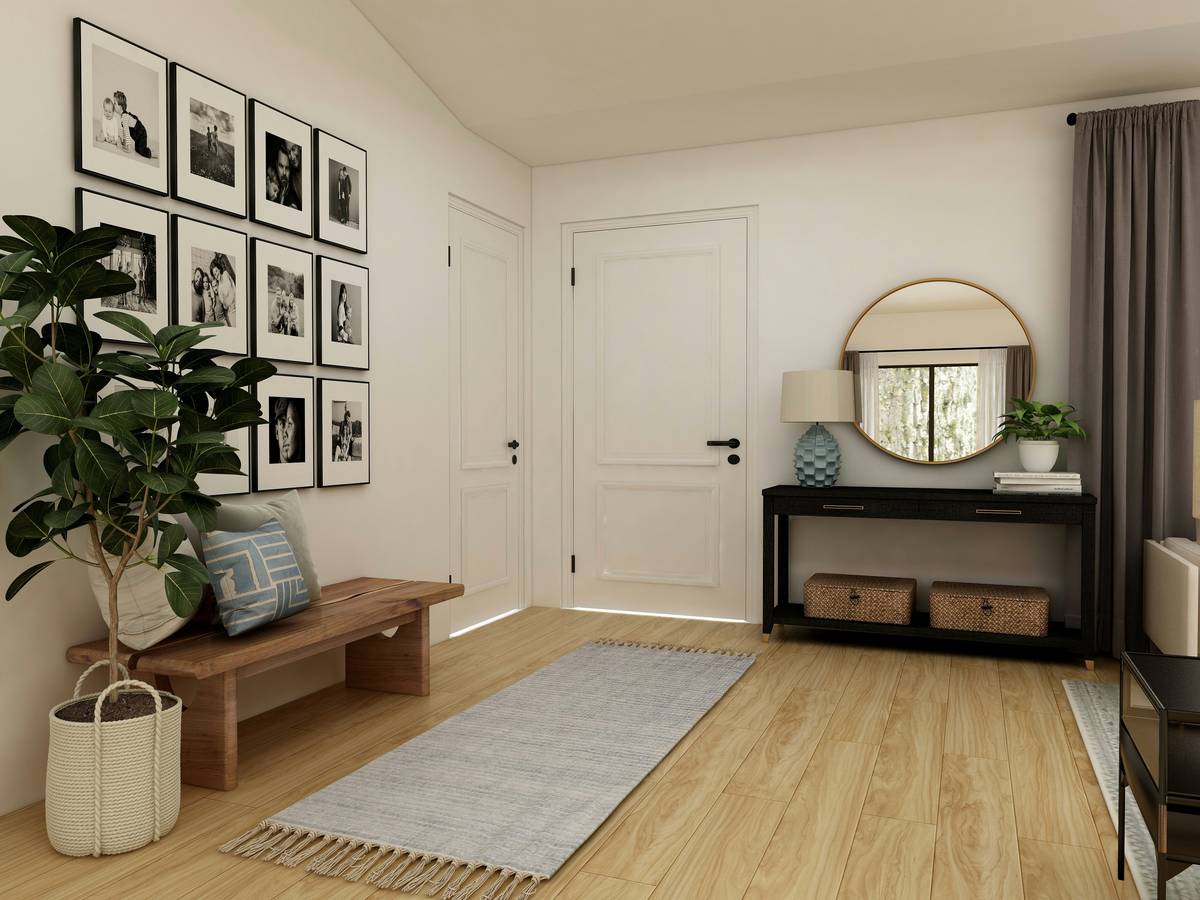
| Component | Functional Must-Haves | Average Cost Range | DIY Viability |
|---|---|---|---|
| Entry Bench | Seat height 18”, ≥15” depth, under-seat storage | $180–$600 | High (if basic joinery) |
| Wall Console | ≥36” wide, 12–16” deep, open bottom for baskets | $150–$800 | Medium (requires sturdy mounting) |
| Coat Hooks/Rack | Forged iron or solid brass, spaced 8–10” apart | $25–$120 | Very High |
| Mirror or Shelf | Mounted above eye level, no sharp corners | $60–$300 | High |
The Industry Secret: “Farmhouse Fatigue” Is Real—Here’s How Pros Avoid It
Behind closed doors, designers admit it: clients fall out of love with their farmhouse entryways within 18 months. Not because the style is bad—but because it’s *static*. The secret? Build in adaptability.
Use modular components that can shift seasonally. Swap baskets for boot trays in winter. Add a removable tray on your console for keys and sunglasses in summer. Paint one drawer front black for contrast—then chalkboard paint it next year. The best farmhouse style entryway furniture isn’t frozen in time. It evolves with your household’s rhythm. That’s authenticity—not Instagram bait.
FAQ
What defines true farmhouse style entryway furniture?
It blends rugged materials (solid wood, wrought iron) with high utility—think deep storage, sturdy seating, and durable finishes that improve with wear, not just distressed paint.
Can I mix modern elements with farmhouse entry furniture?
Absolutely. A clean-lined mirror or matte black hardware keeps the look grounded, not kitschy. Balance is key—never sacrifice function for trend.
How much space do I need for a functional farmhouse entry setup?
Minimum 4’ width x 3’ depth. Even in tight spaces, a wall-mounted bench with hooks and one deep cubby beats a cluttered full set.